Design the Party, Not the Dining Room
Every space makes promises to the bodies inside it. Written down as affordances, those promises become something a design can be scored against.
Thin concrete shells from form-finding to formwork to as-built measurement, and architecture as a discipline: what AI changes about designing and building.

Every space makes promises to the bodies inside it. Written down as affordances, those promises become something a design can be scored against.
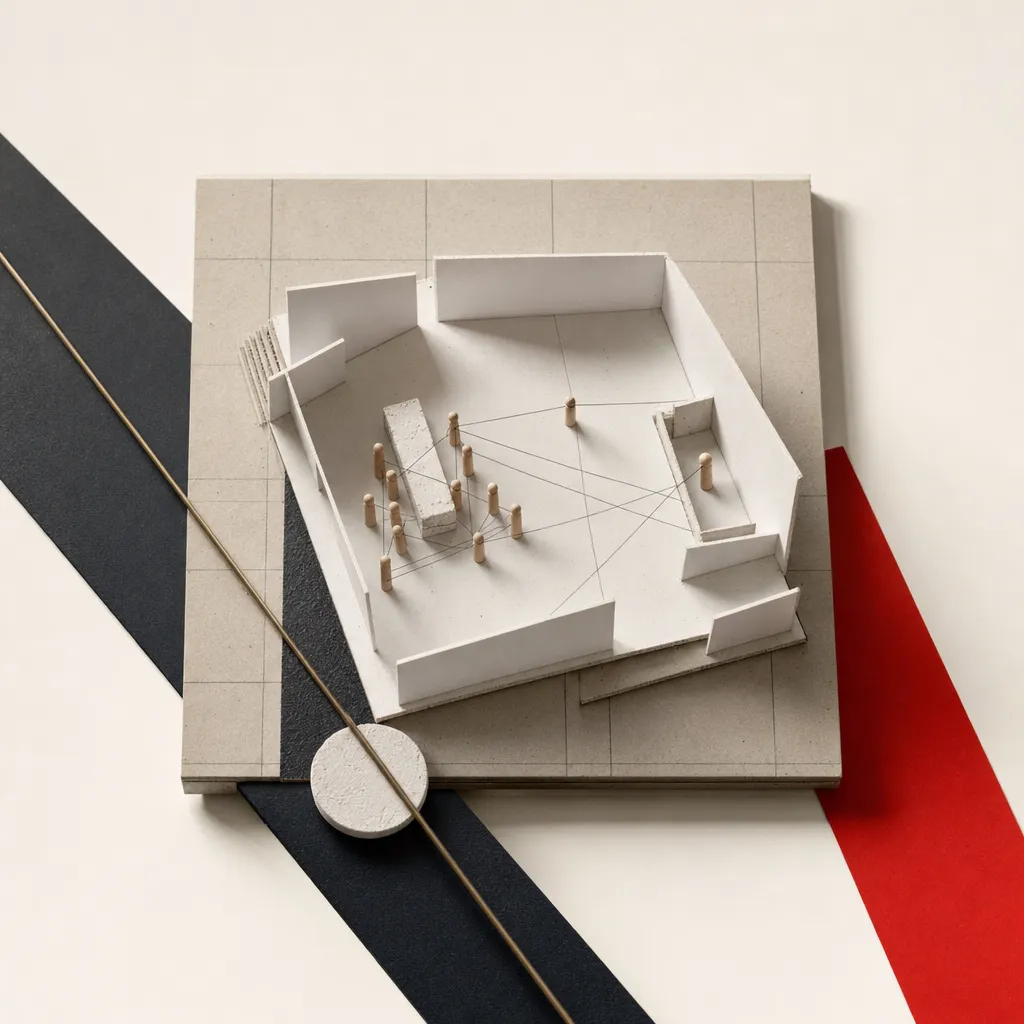
Design the occasion a room has to survive, and let the people in it score the plan.
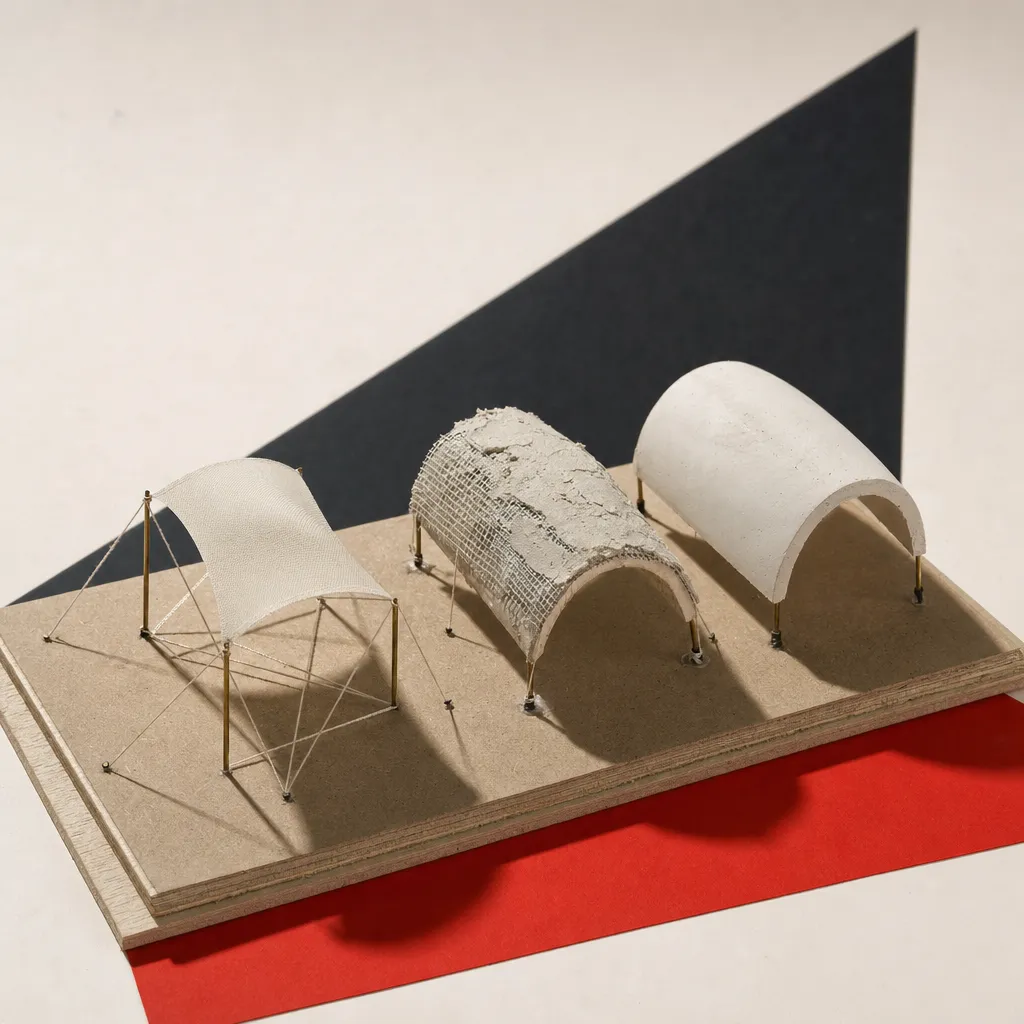
The next gains in thin concrete shells come from closing the loop between geometry, construction and measurement.

Form-finding is moving from one shape to several, and from slow translation to fast iteration.
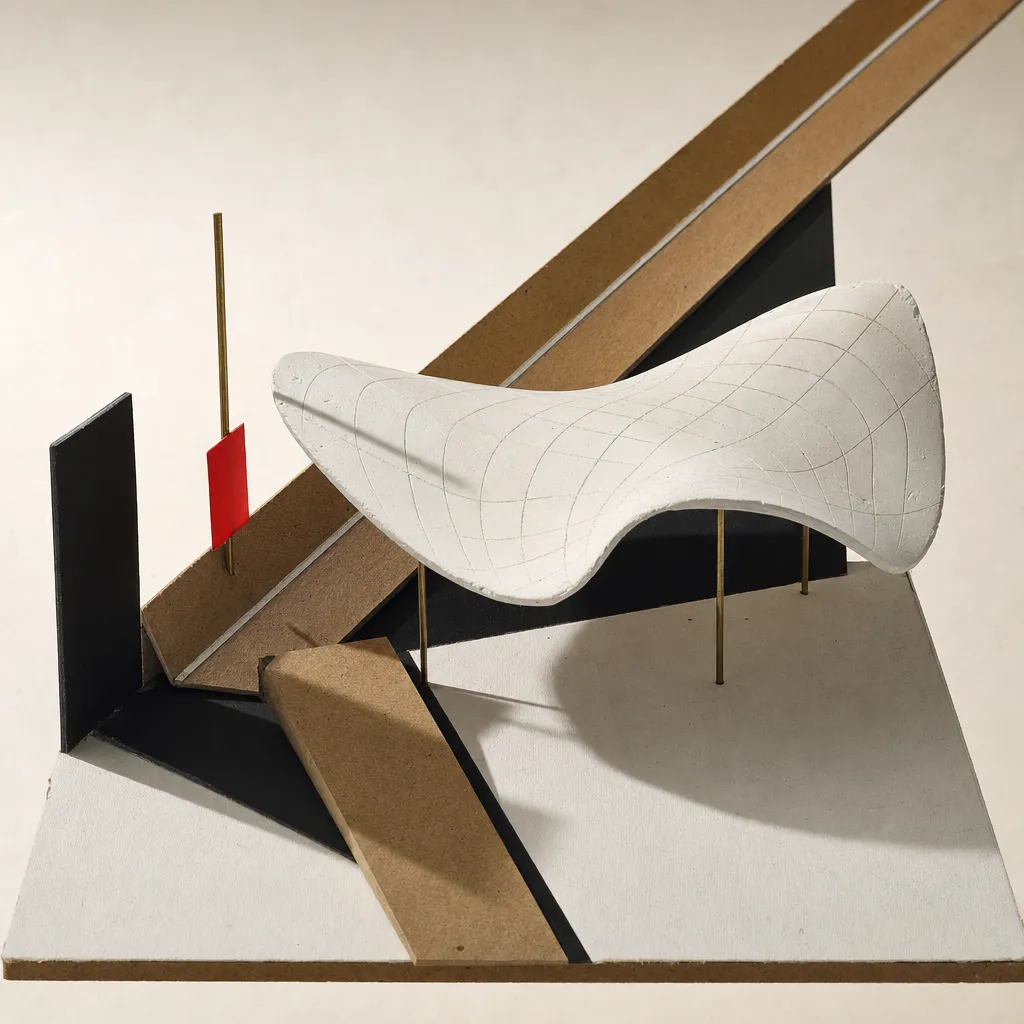
As-built geometry is becoming an input to structural verification, and it is changing what tolerance should mean.
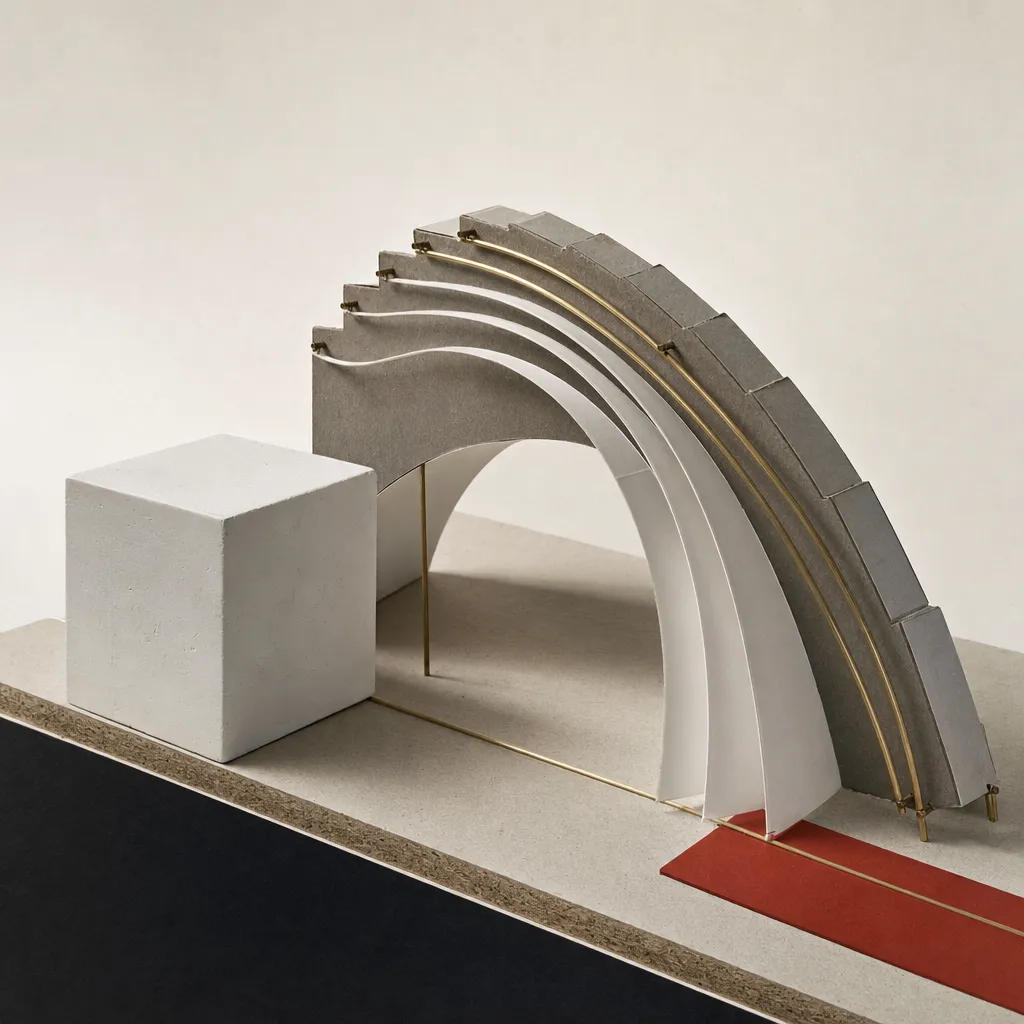
Unconventional concrete shells cannot be approved on cube strength, and the evidence that replaces it is a record of how the shell was made.
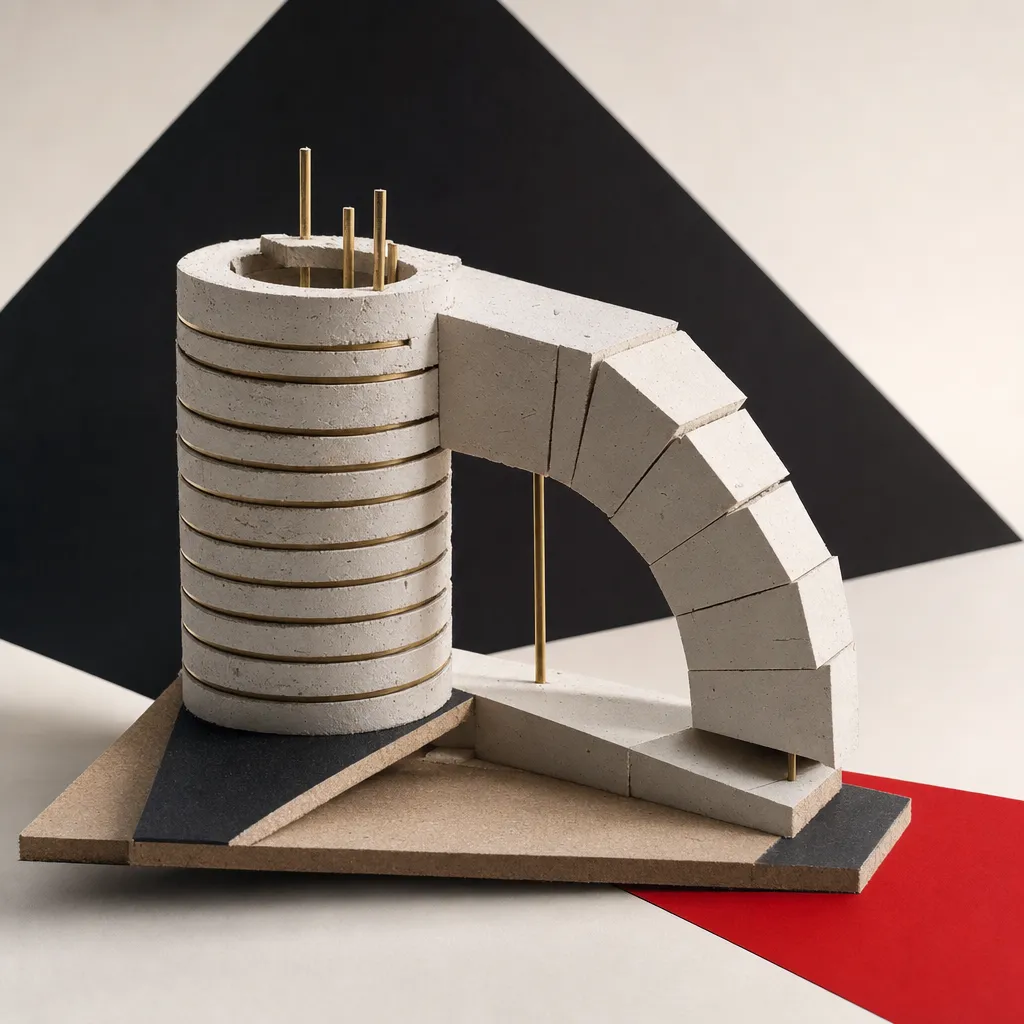
In printed and segmented concrete, reinforcement is designed around the fabrication process or replaced by geometry and joints.

A concrete shell's most dangerous hours come before it exists, and two 2026 studies show how to model them.
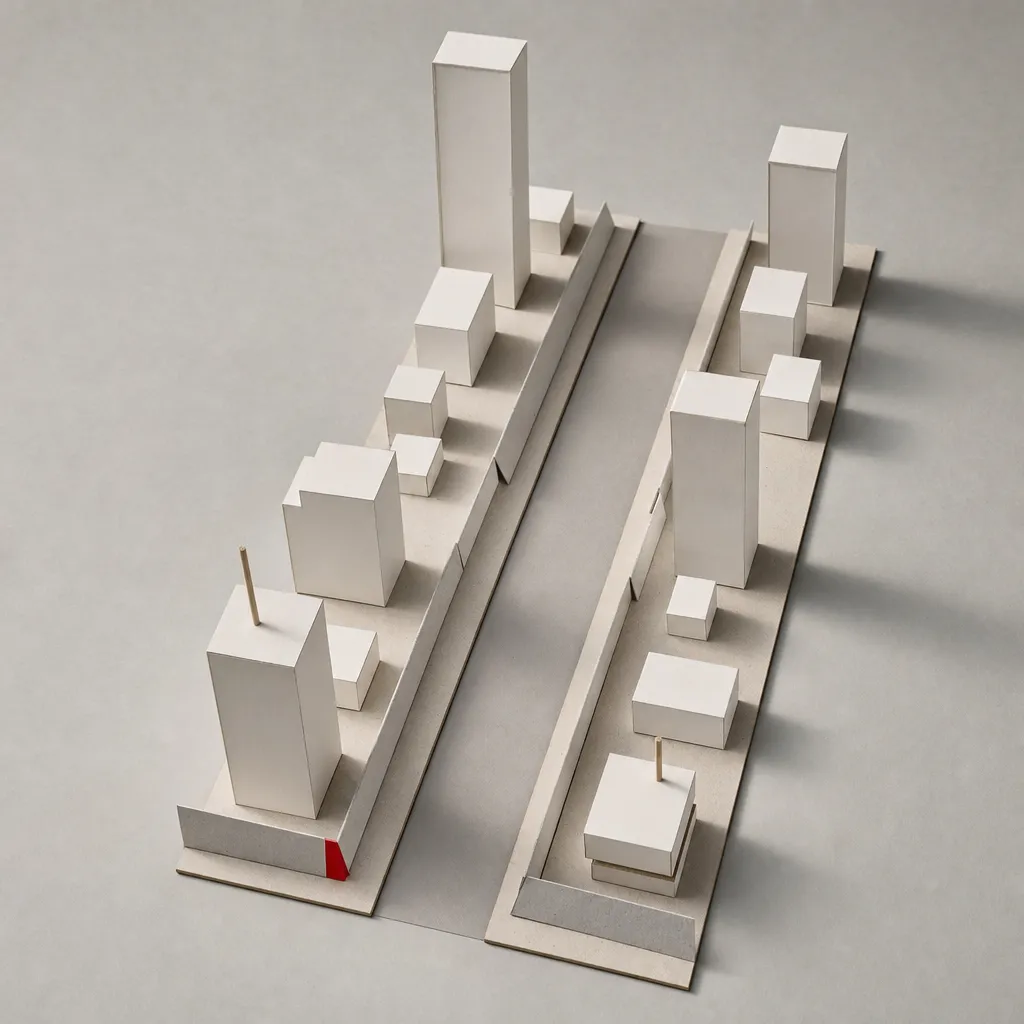
Increasing floor area ratio changes how much gets built, but never how buildings meet the street.
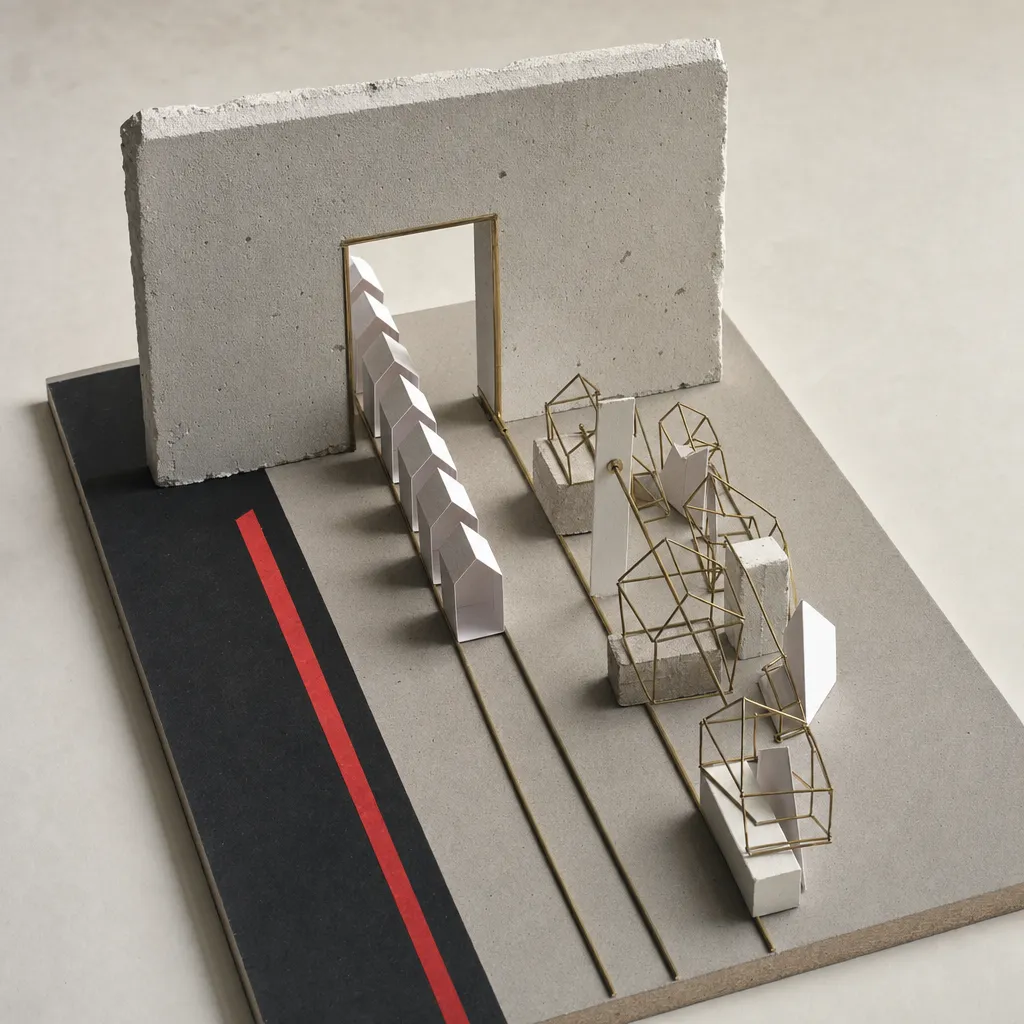
Why state housing designs go unused, and how speed-of-permitting reform creates the one window to attach design to choice.

Redirecting mandatory architectural internships into municipal design cells gives students placements and cities in-house capacity.
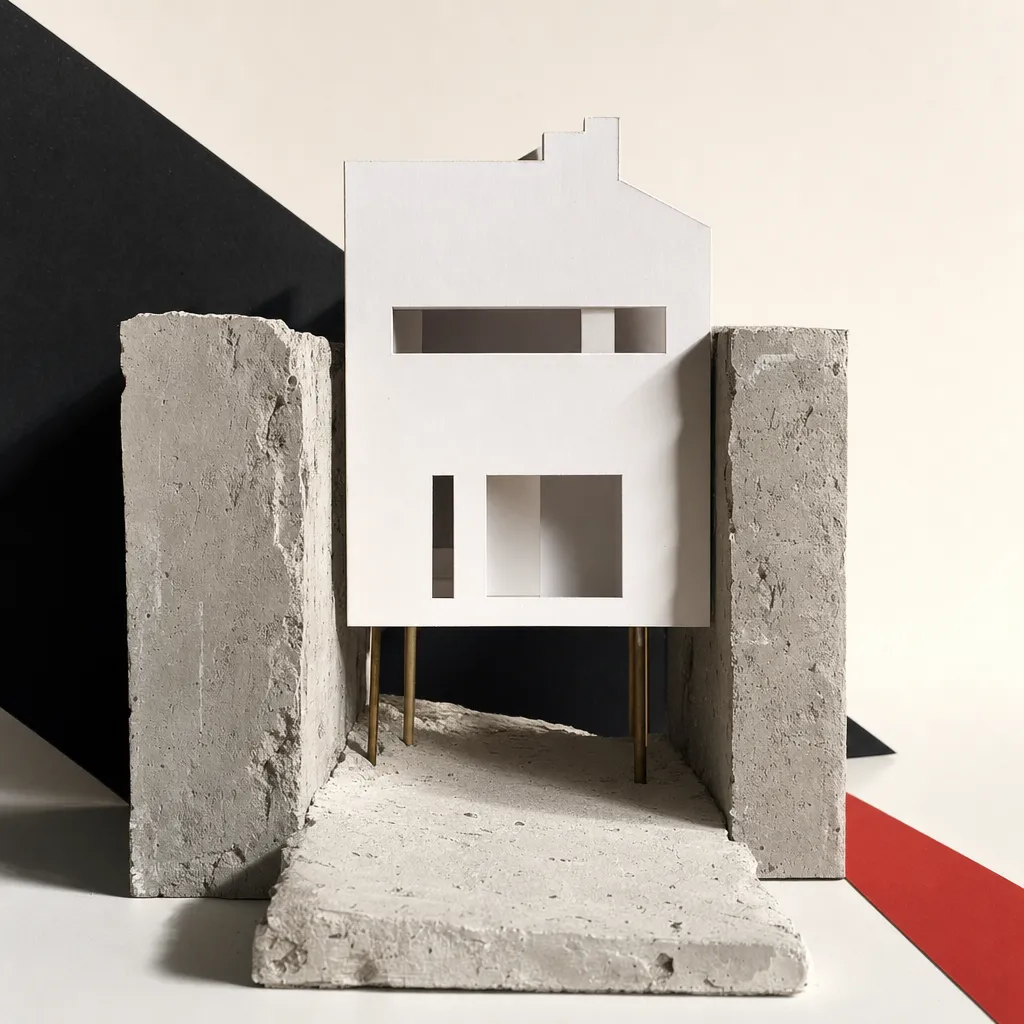
Online design platforms brought ₹1,999 house elevations to every district in India, but generating pictures didn't solve whether the houses work.
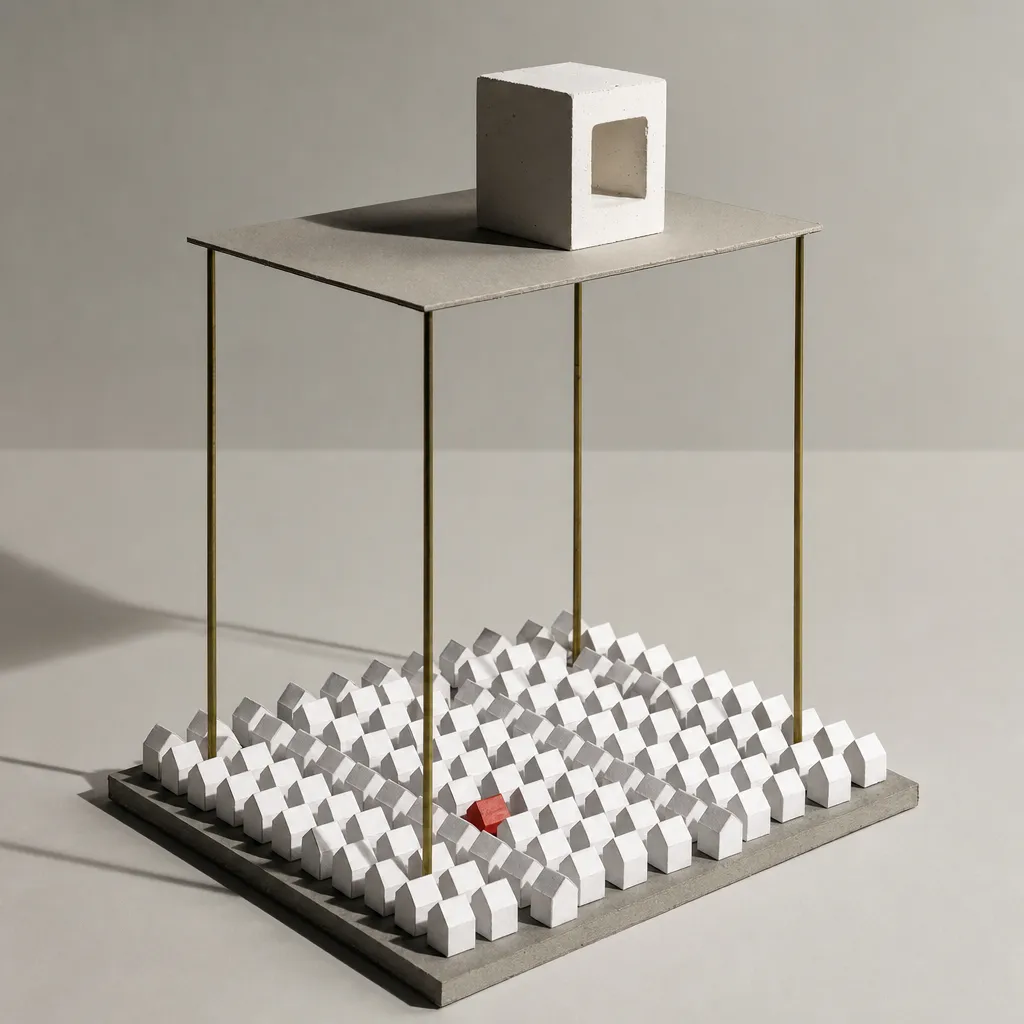
How a mandatory fee floor and a title-only law left Indian architects out of the housing market
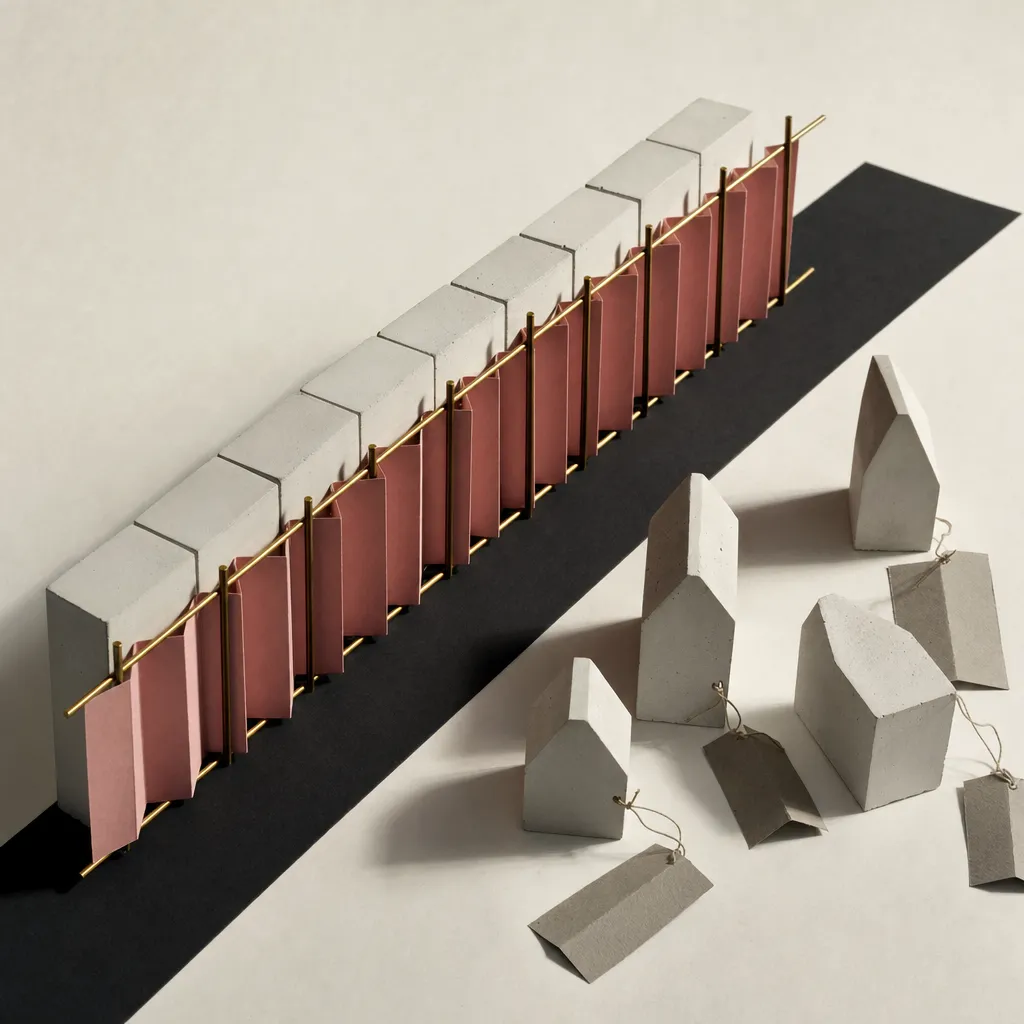
Why Jaipur's heritage regulations work while Ahmedabad's stall, and how spatial rents make urban conservation enforce itself.

How credit, setbacks, concrete supply, and split governance produce the look of the ordinary Indian street.
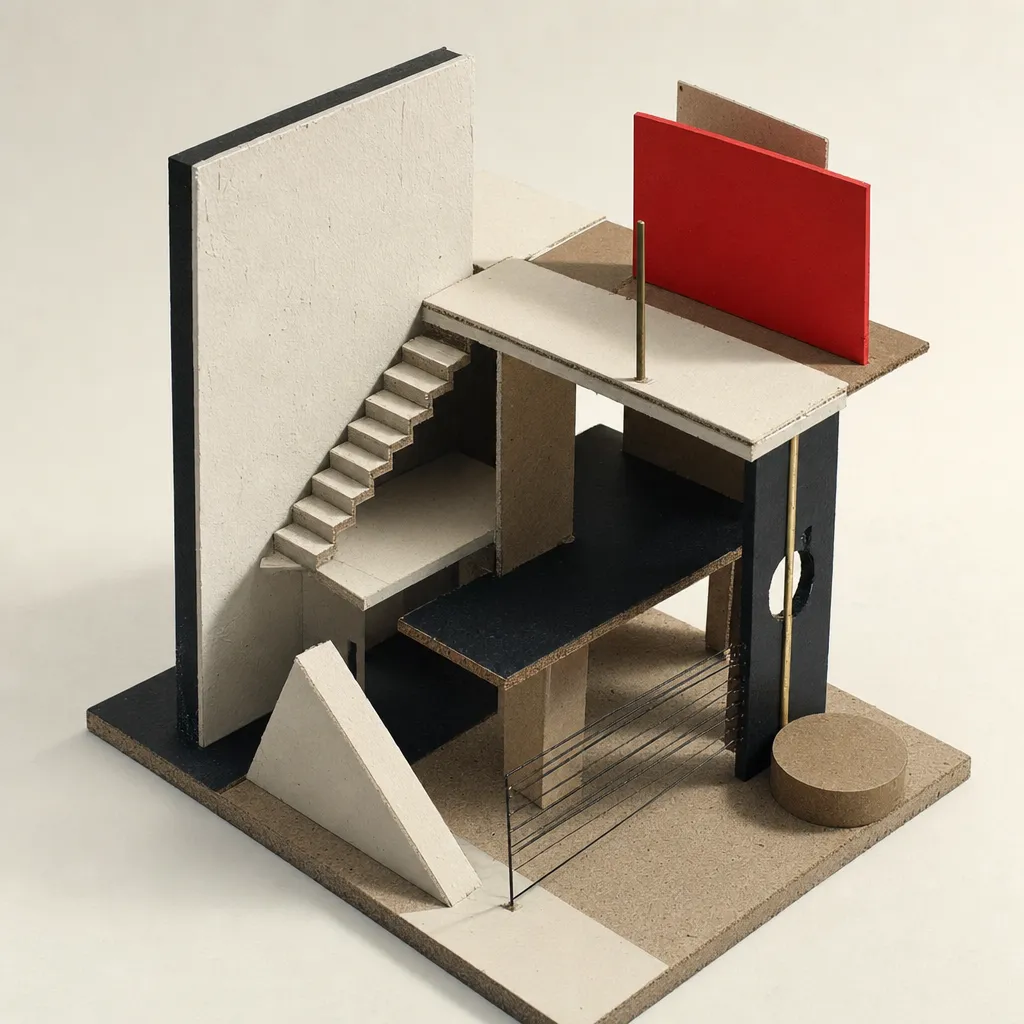
Why BIM cannot compose: moving the built environment from locked CAD files to executable spatial contracts.
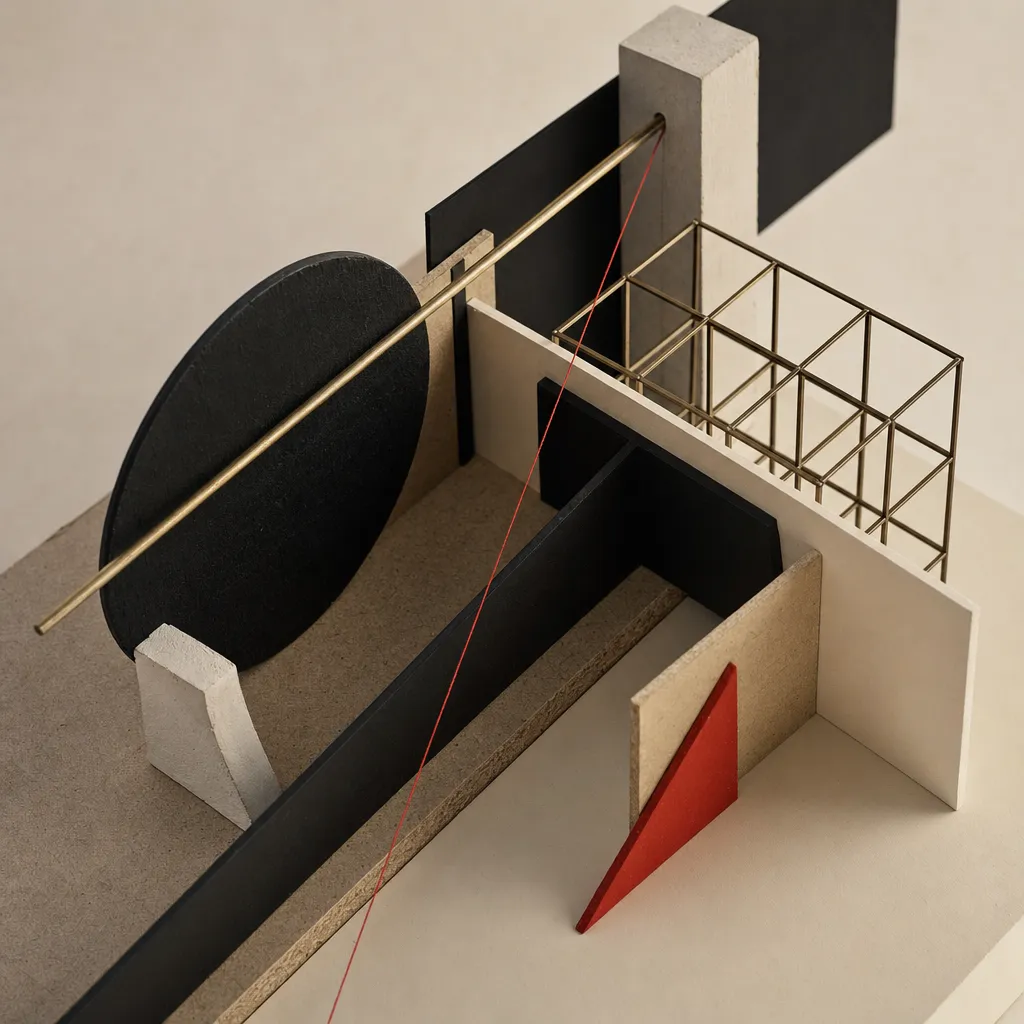
The internet was written by hand until it wasn't. The built world is next, and the scarce thing at the far end of that shift is not drawing.
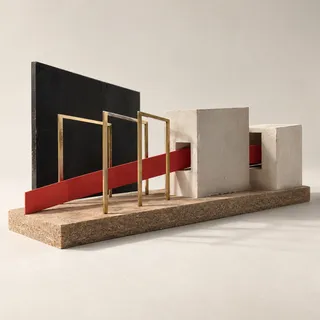
World models, digital twins, and the redesign of how the built world is conceived, coordinated, and operated.

A technical appraisal of gravity-glide urban transit
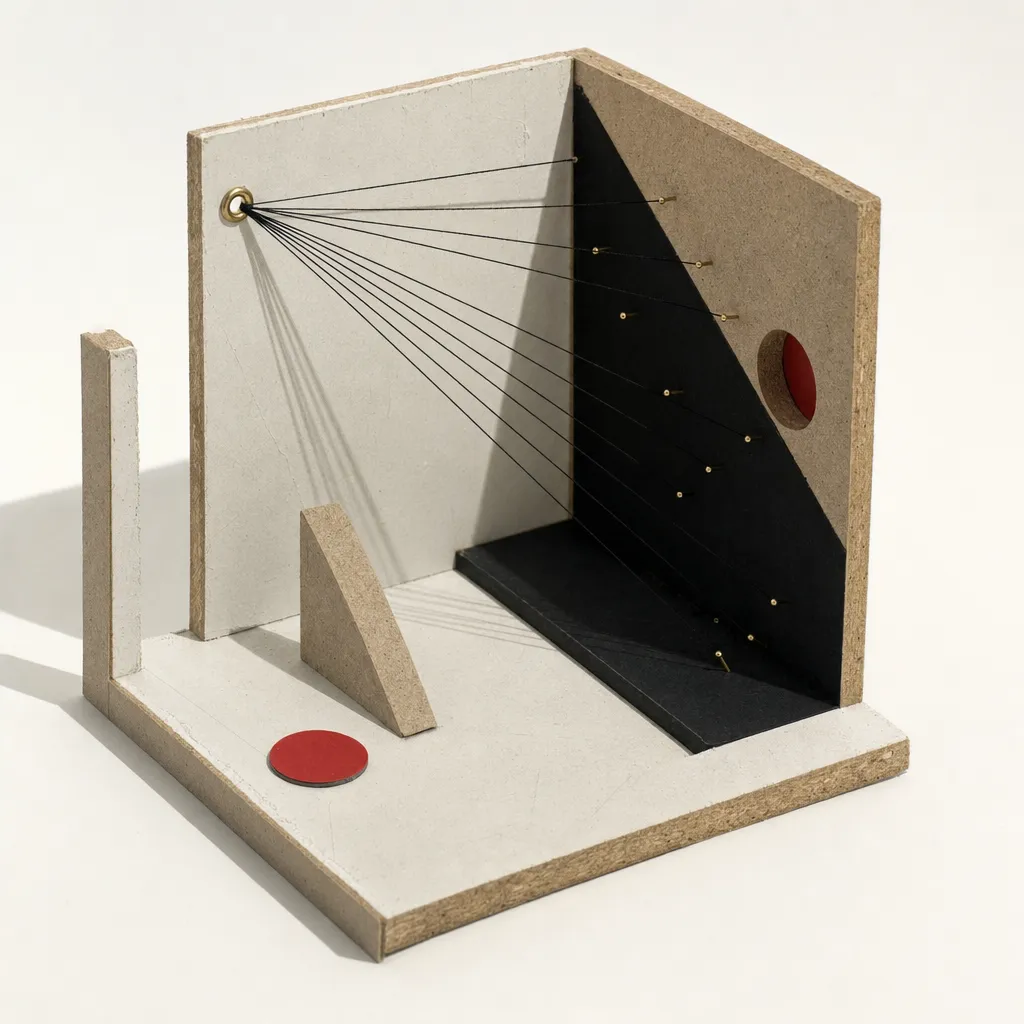
Why the spatial turn in artificial intelligence is a data argument, not a display argument