Fifteen Guests and a Wallflower
Design the occasion a room has to survive, and let the people in it score the plan.
Machine-readable reality: world models, spatial AI and vision-language systems, and the floors, shelves and buildings run from them.

Design the occasion a room has to survive, and let the people in it score the plan.

Institutional memory leaves when experts do. PROXY turns tacit judgement into queryable agents, advisory councils, and an immutable ledger.

Why BIM cannot compose: moving the built environment from locked CAD files to executable spatial contracts.

Why warehouse pick timestamps fail to explain fulfillment bottlenecks without a spatial model of the physical floor.
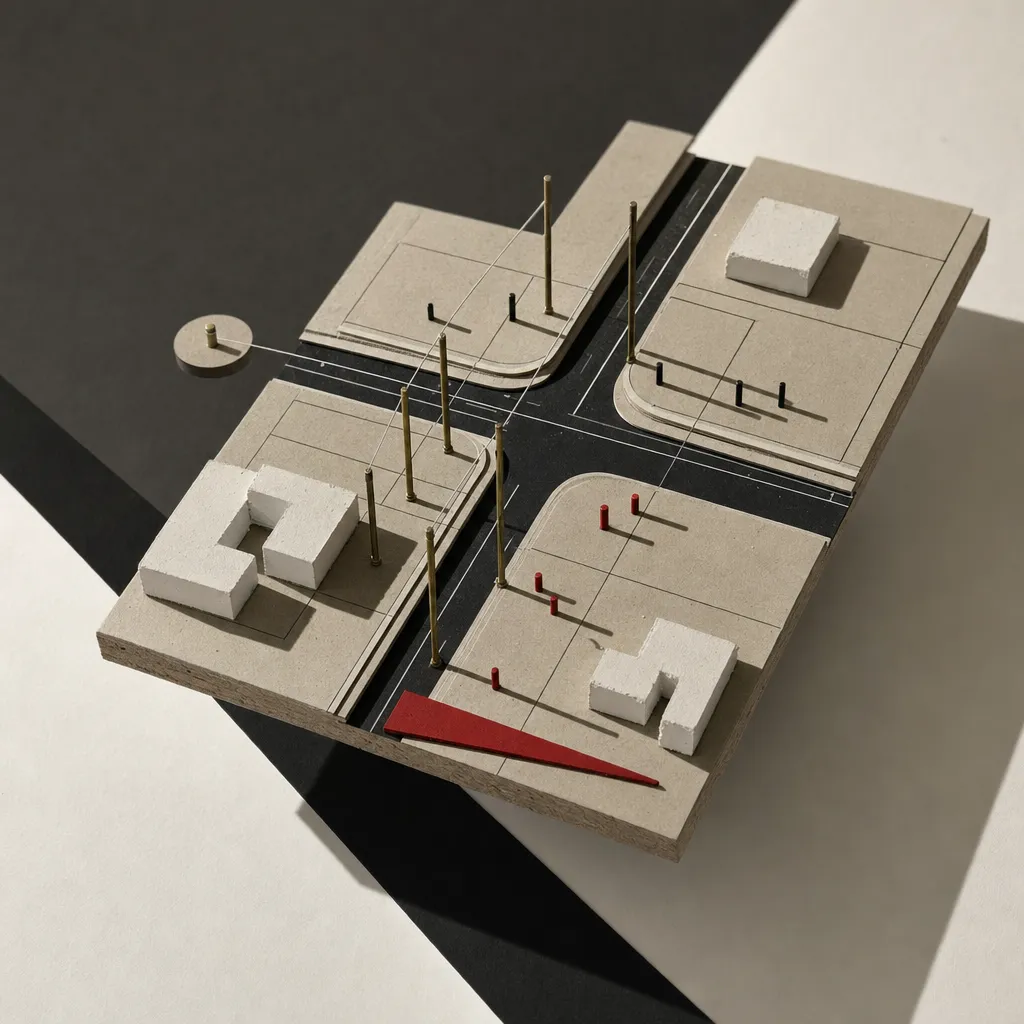
Decades into the smart city experiment, AI is shifting urban technology from watching reality to participating in it.
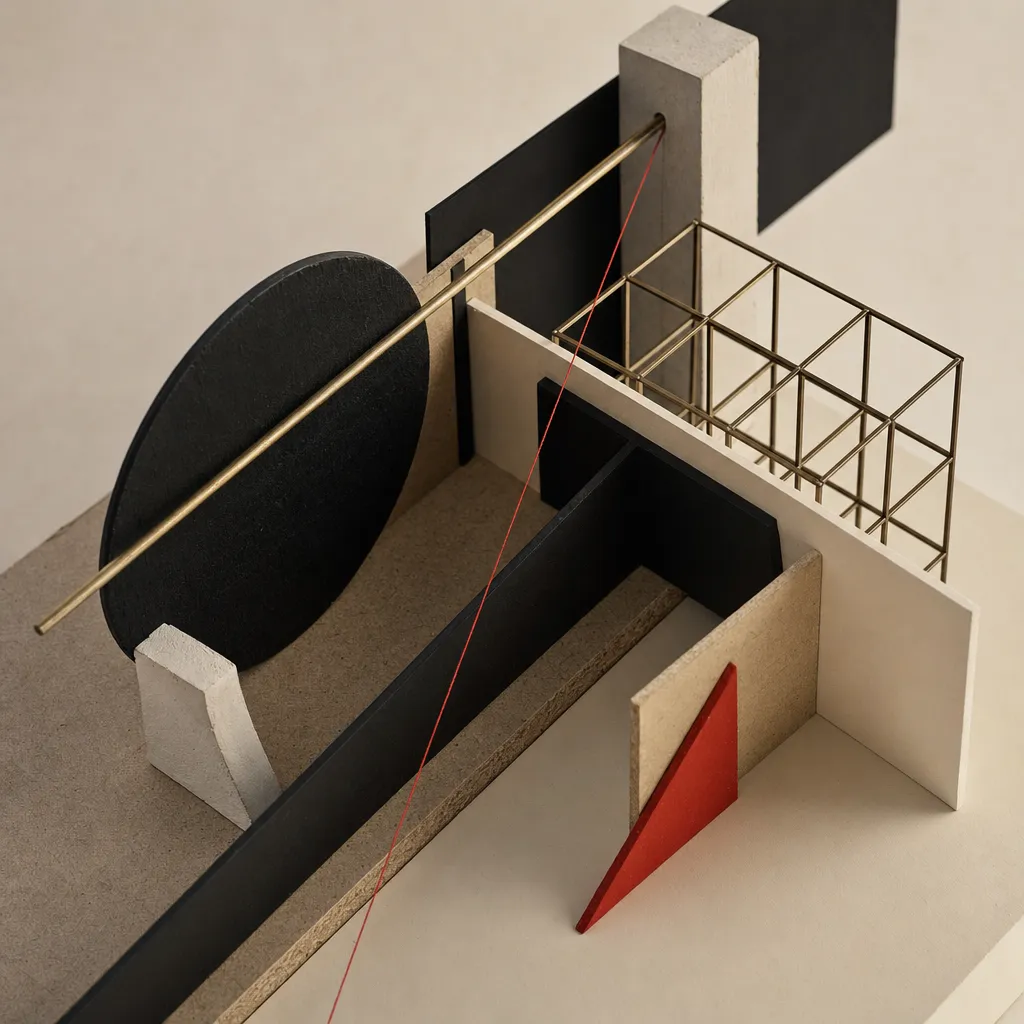
The internet was written by hand until it wasn't. The built world is next, and the scarce thing at the far end of that shift is not drawing.

The falling cost of editable 3D is changing the benchmark for generative worlds.

World models, digital twins, and the redesign of how the built world is conceived, coordinated, and operated.

Physical AI is arriving faster than the infrastructure that carries it. Small businesses are where those two facts collide.
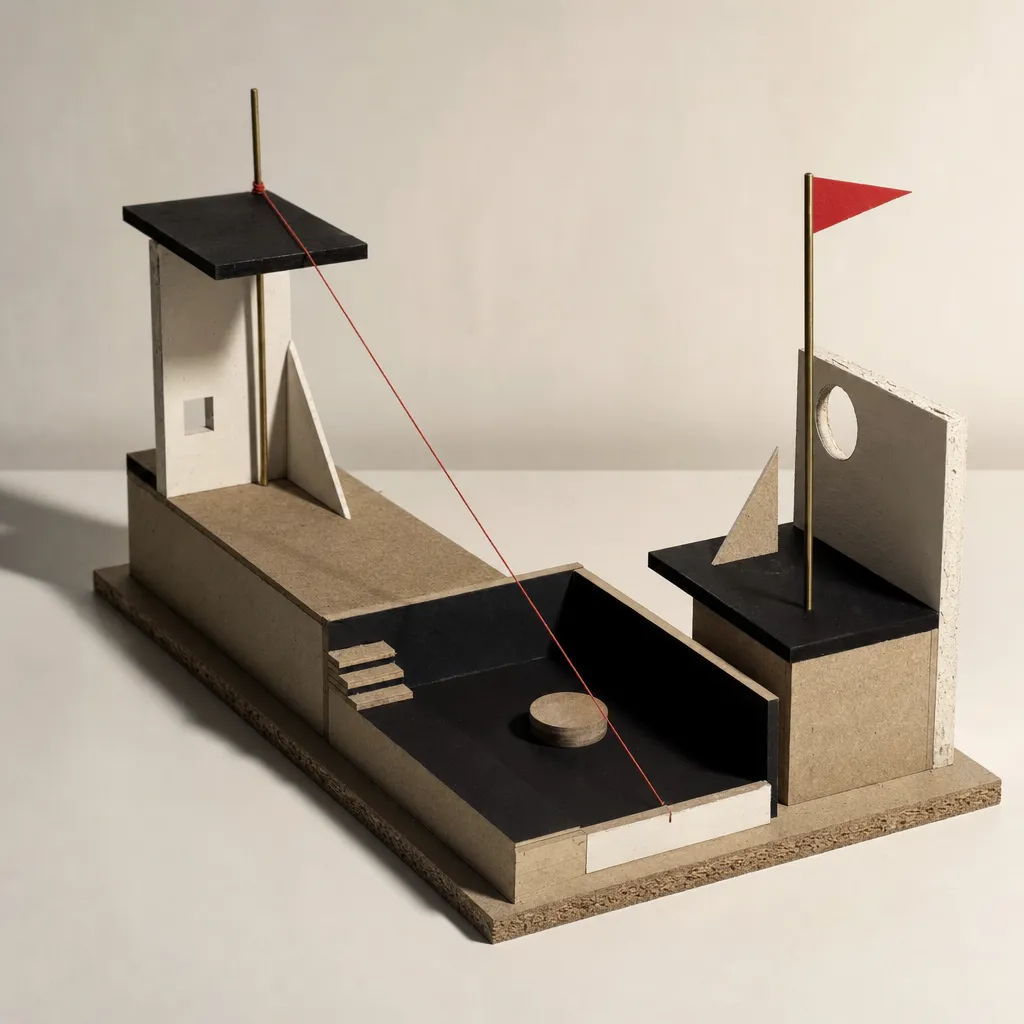
Why the two most valuable phases of independent hospitality happen before arrival and after departure.
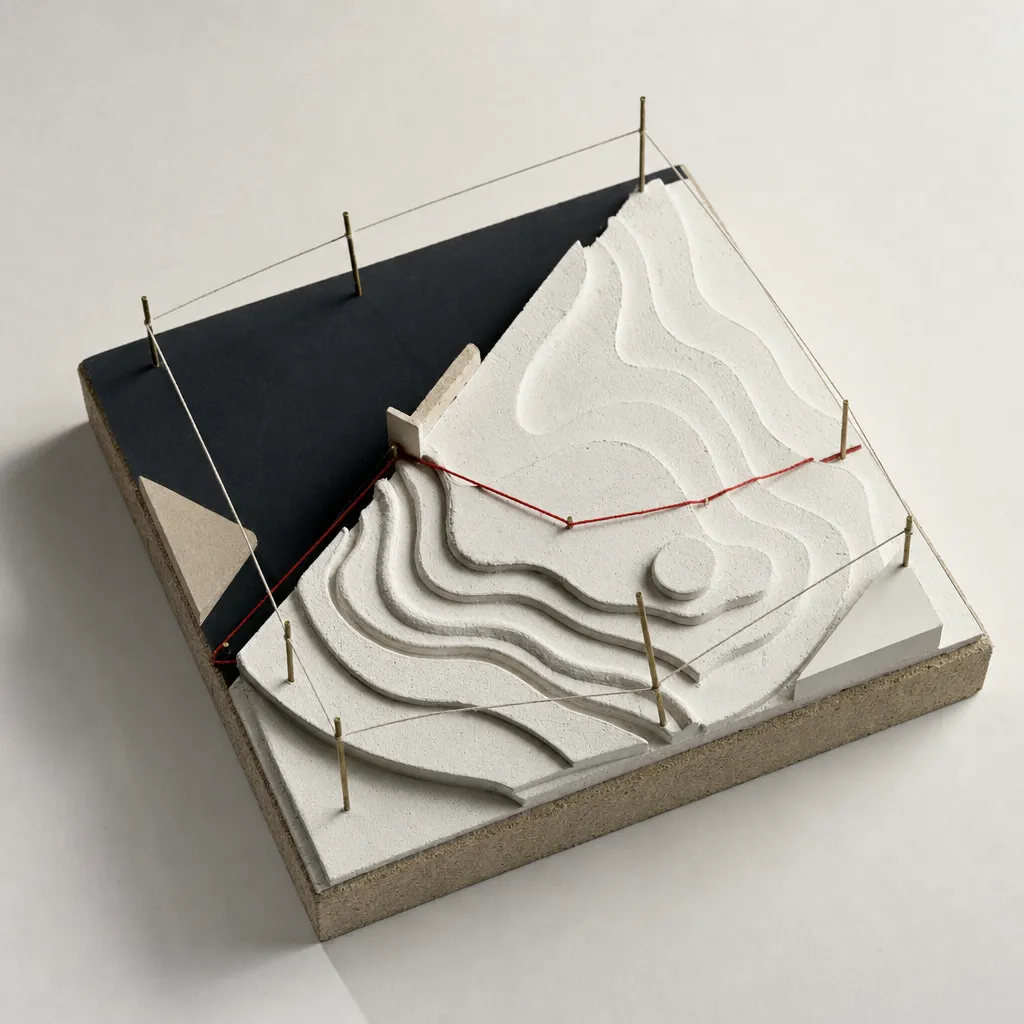
Why digital twins in India are about spatial resolution and physical decisions, not 3D dashboards
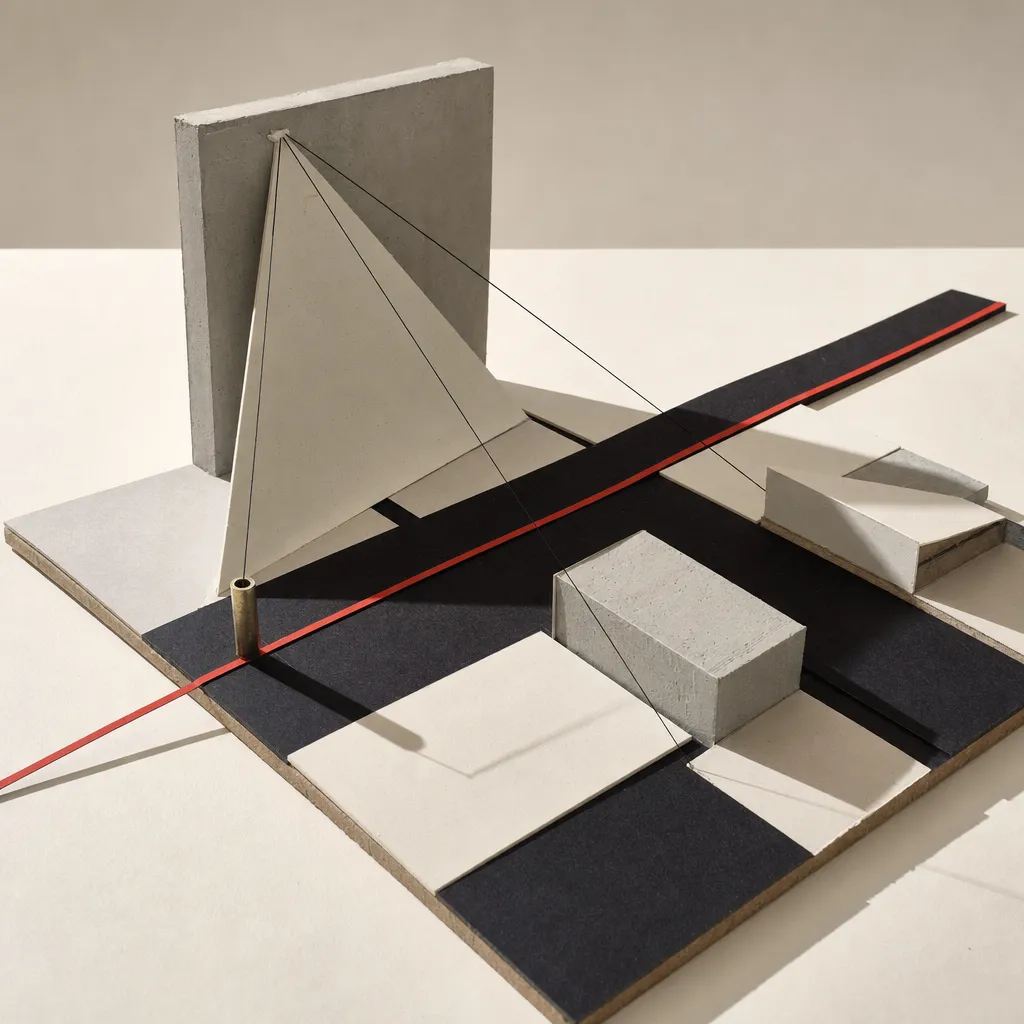
Reality capture is no longer the bottleneck. VLMs convert physical space into natural language, turning camera feeds into queryable world models.
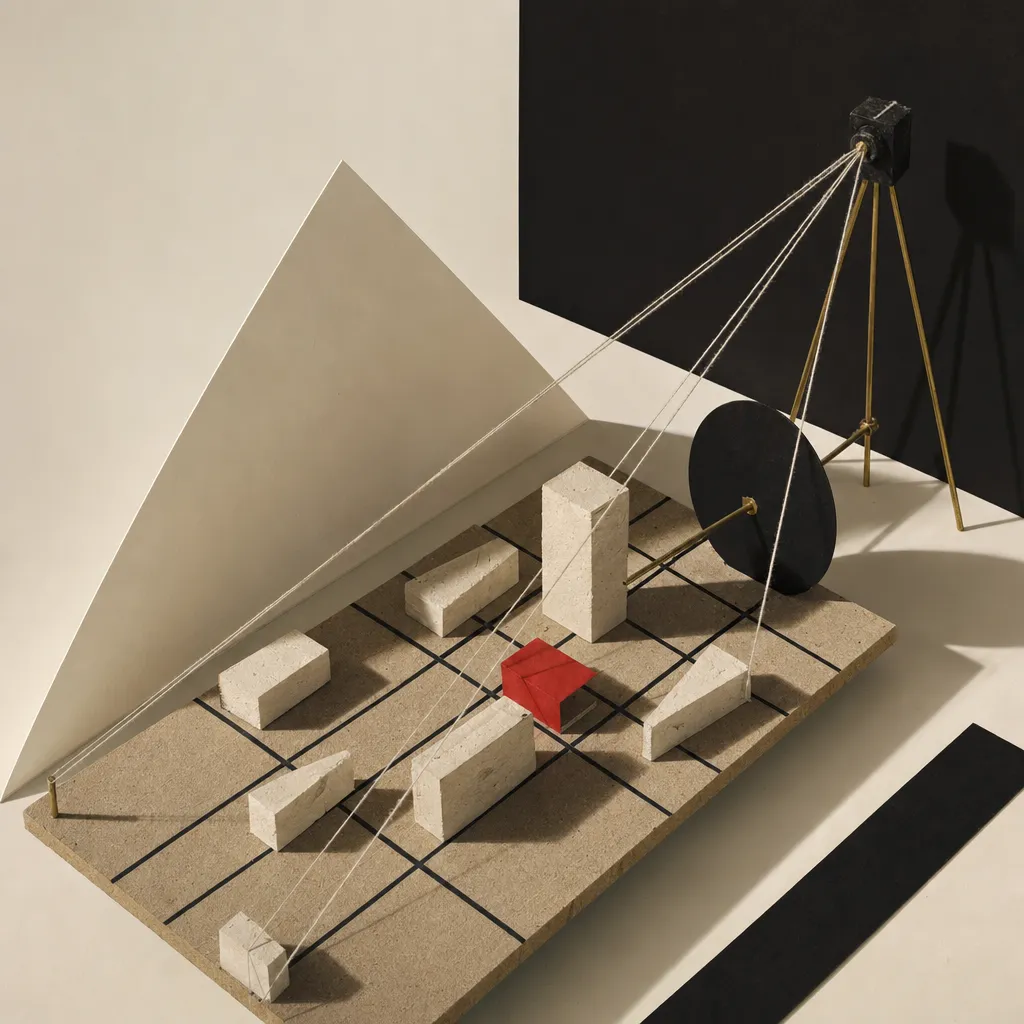
John Berger, Wittgenstein, and the vision-language state.

Before AI can predict or automate, it has to answer deceptively basic questions about where things are and what they correspond to.

Why we stopped writing solvers and started writing the thing that writes them

Consumer decision trees model an averaged shopper who does not exist, and function alone has stopped being sufficient to sell

Why physical intelligence requires capex substitution, edge perception, and owning the unrecorded state of space over time.

Why the spatial turn in artificial intelligence is a data argument, not a display argument
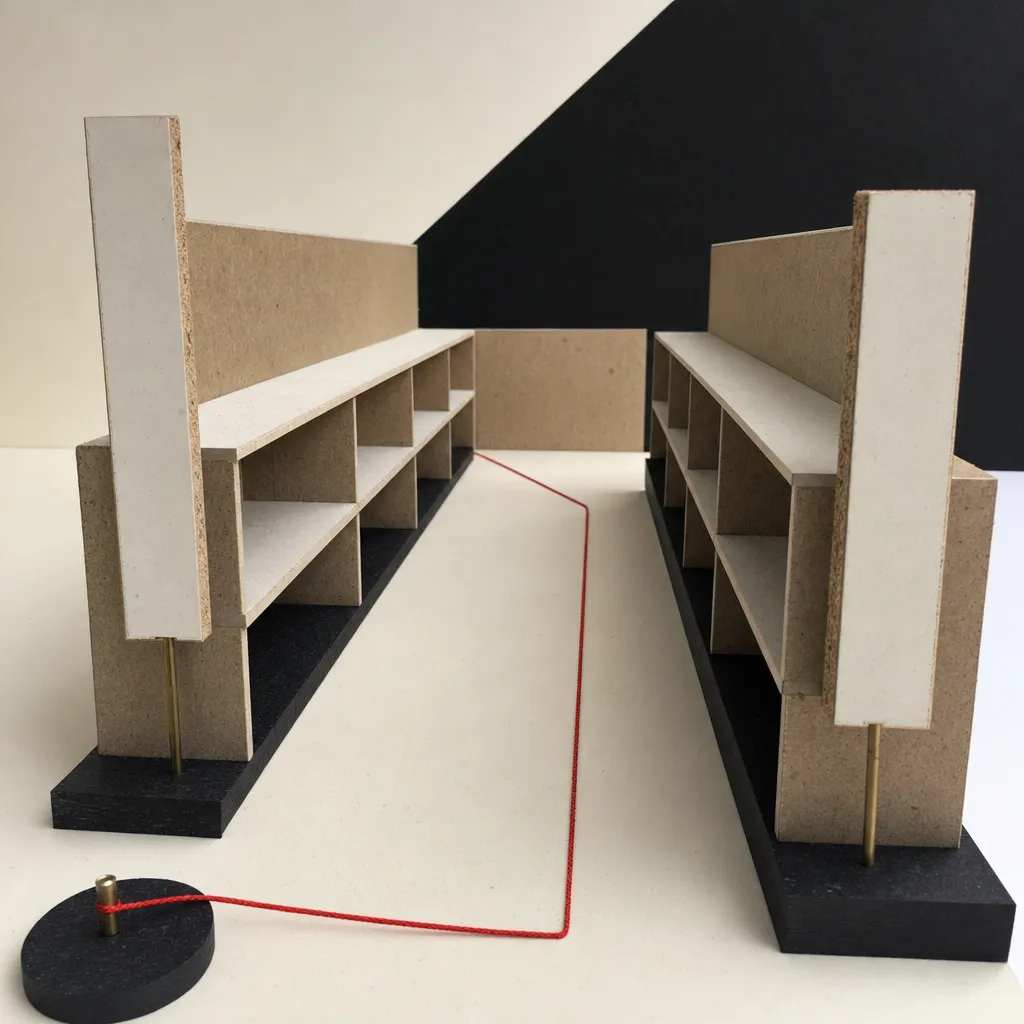
Why physical retail must become a digital substrate before agentic AI can run it.

The intelligence race pushes AI onto owned hardware, then onto your body. A three-to-four-year chain, told as a story.