Research in brief · 1:18
Small to Big

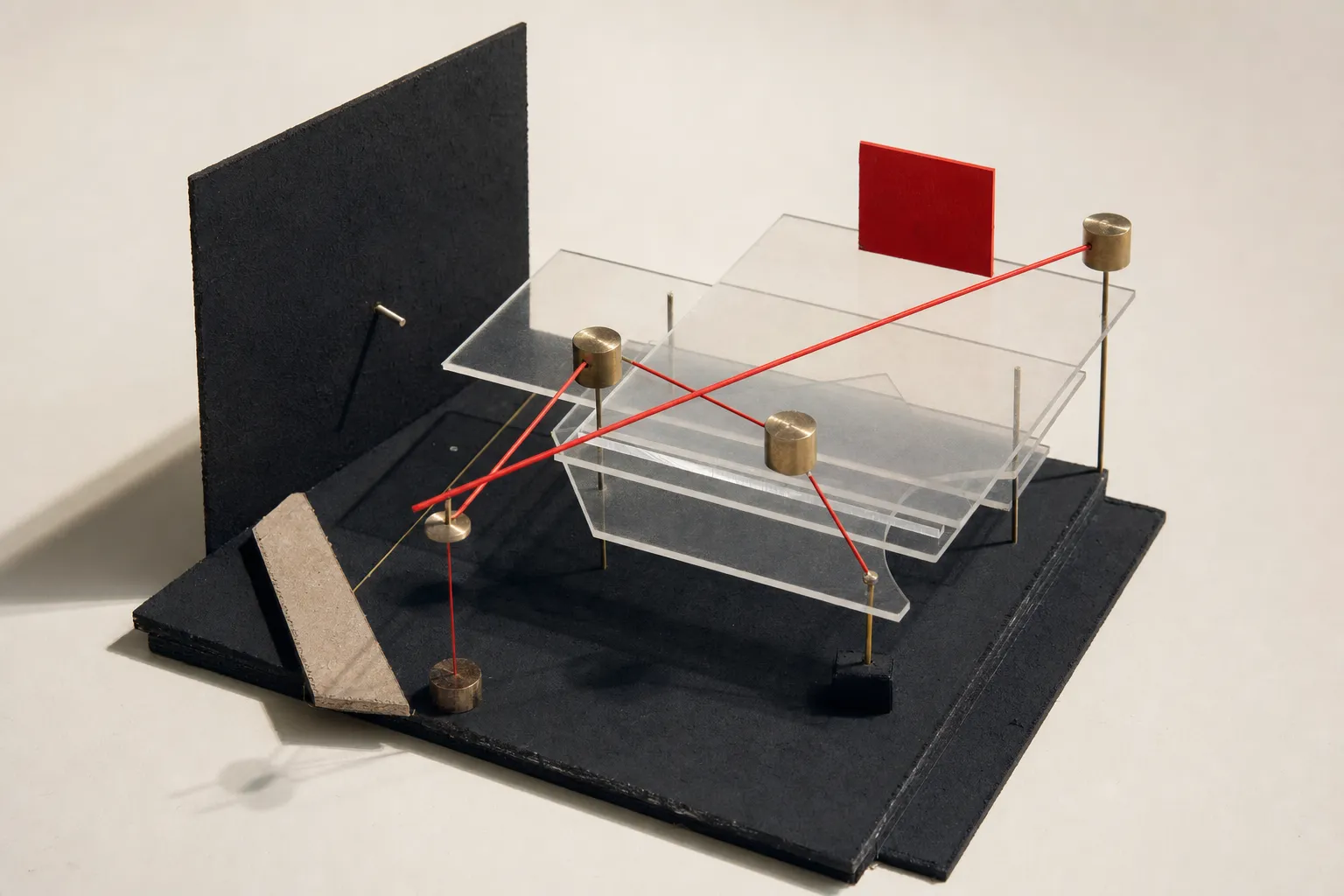


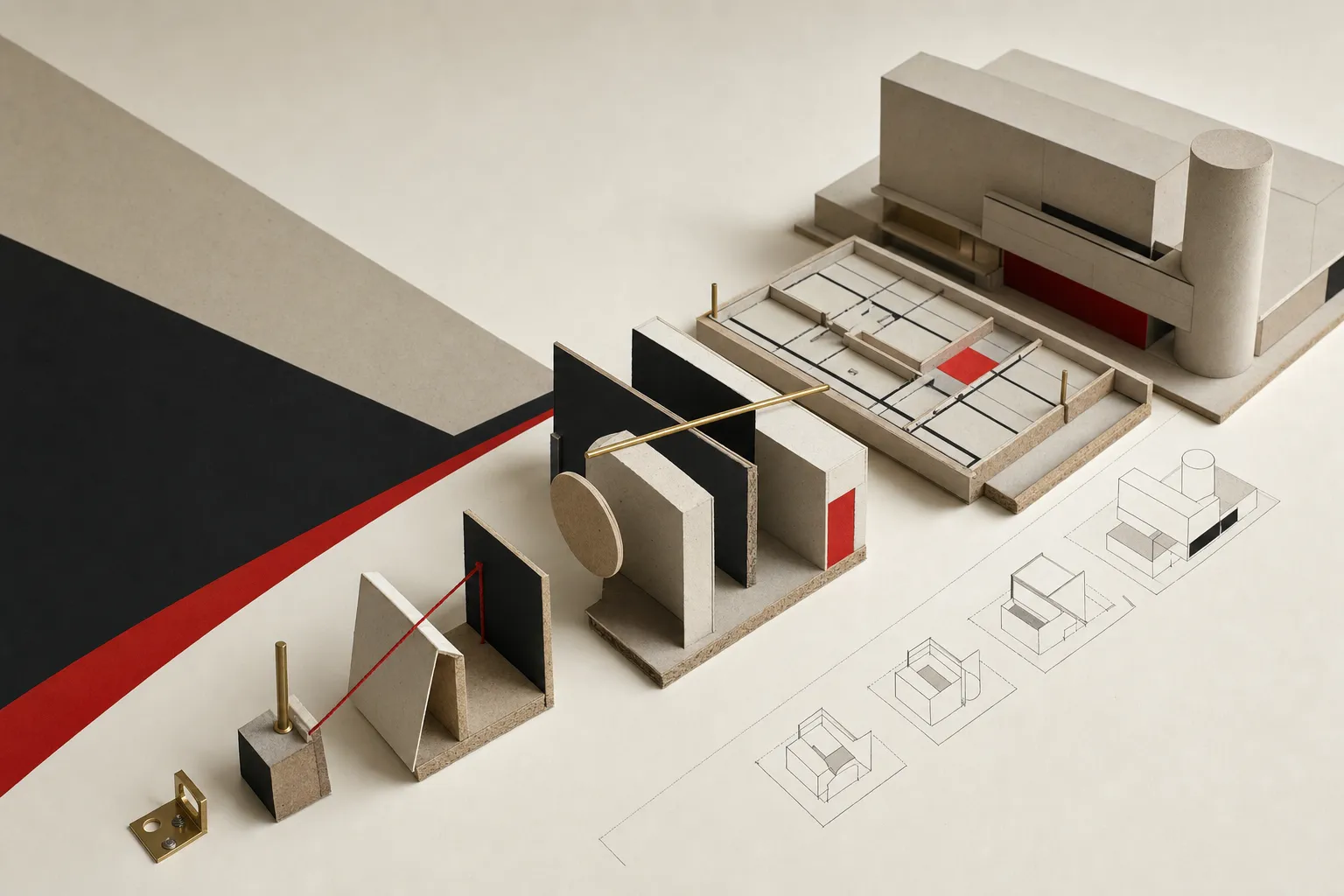
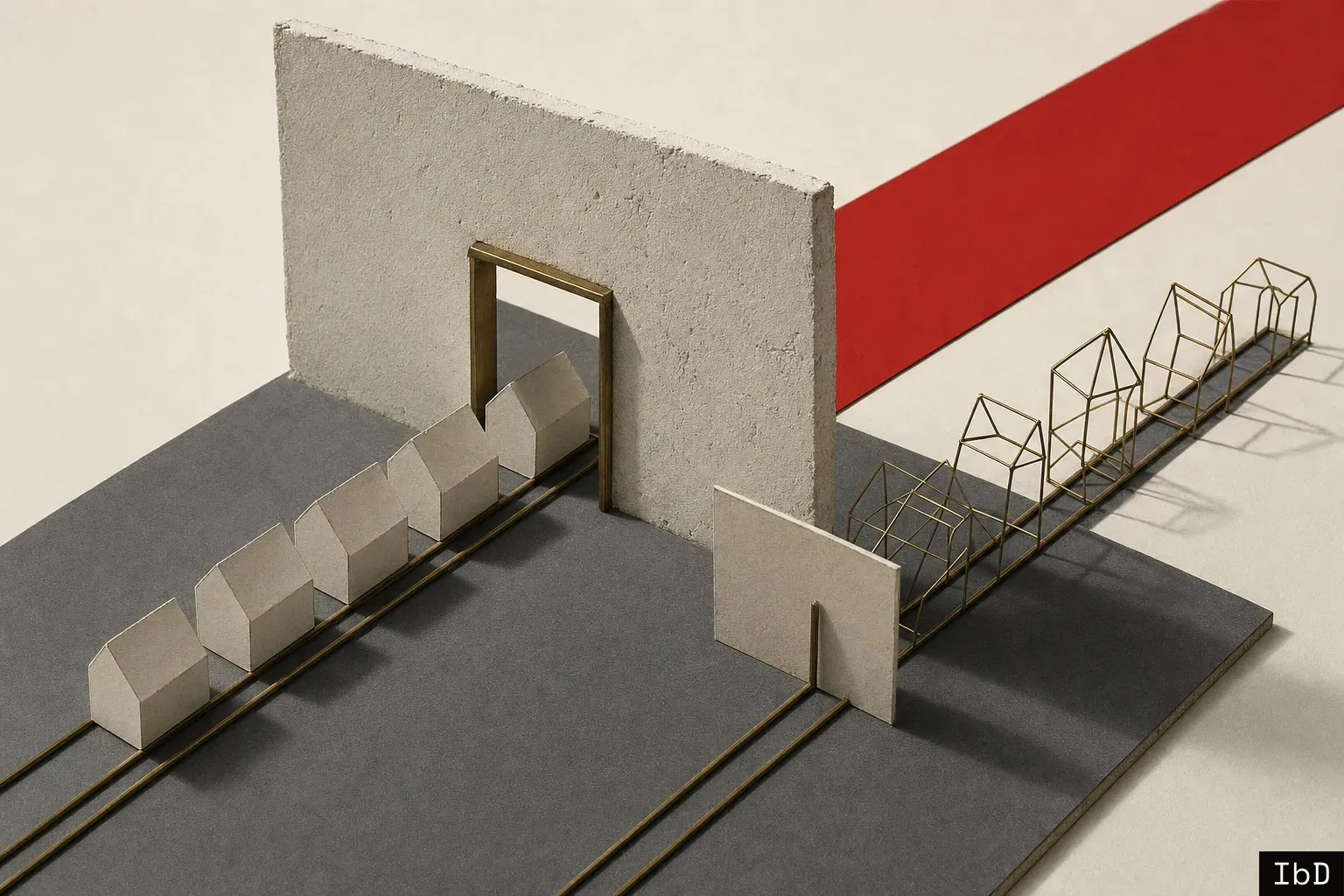

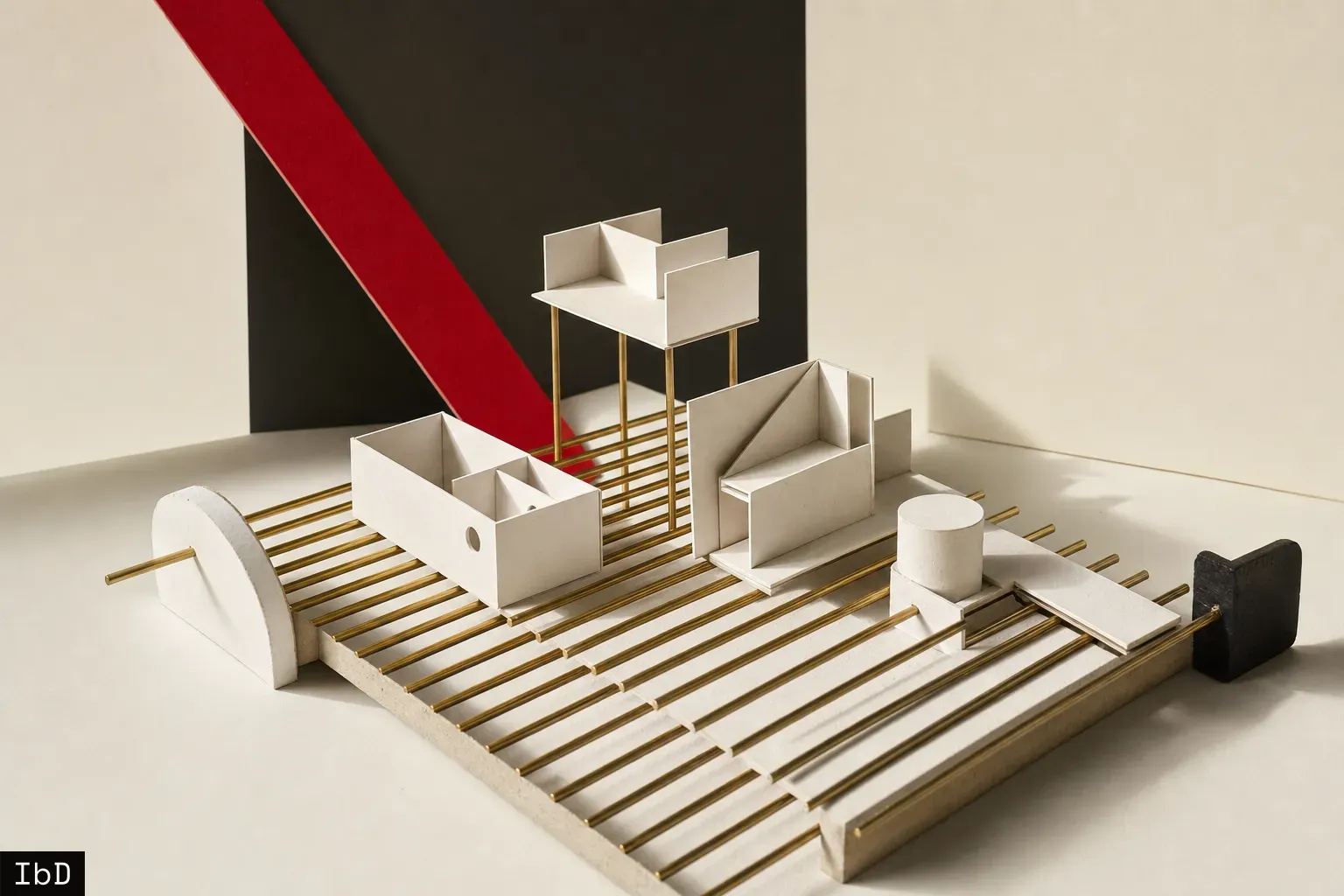
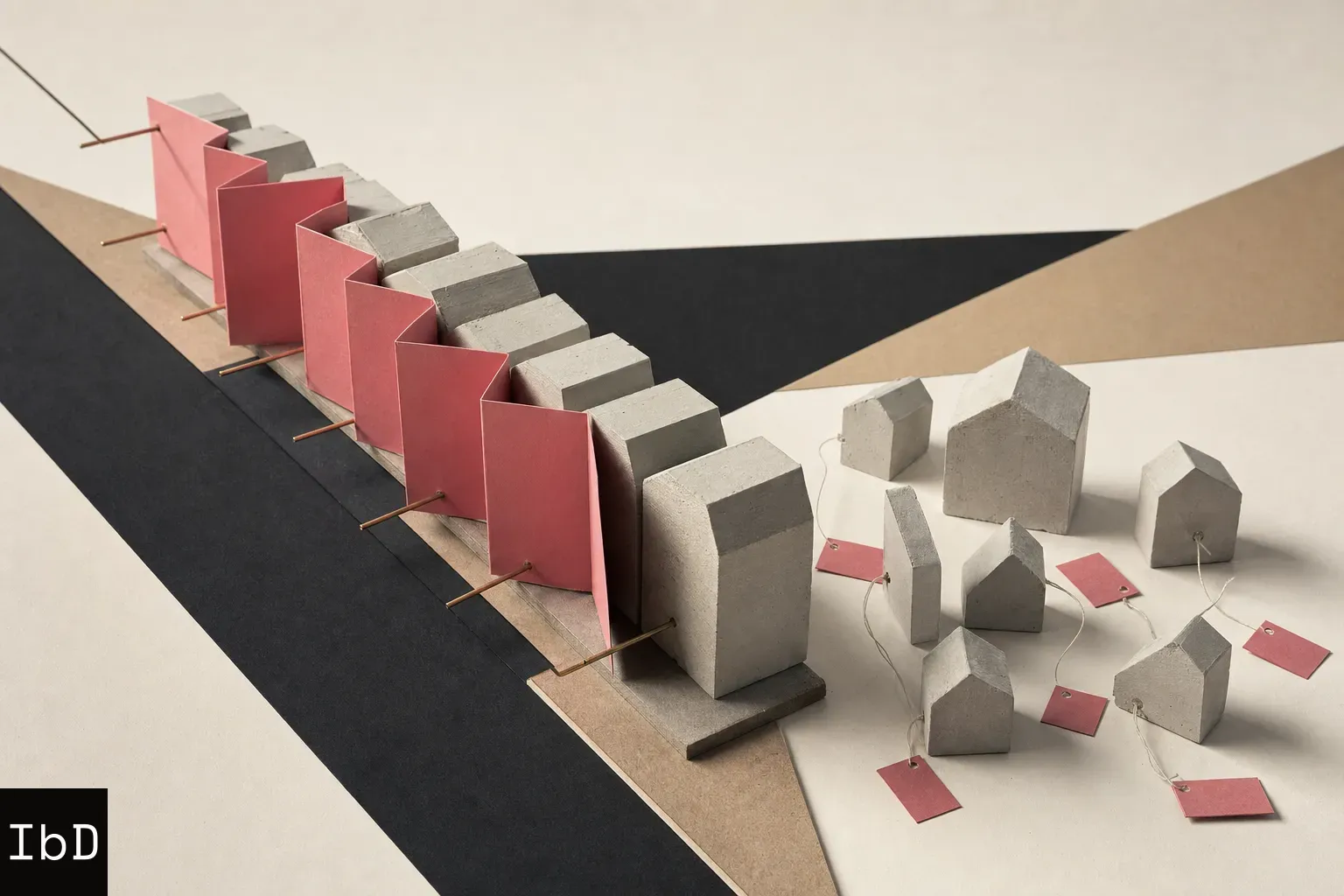
Why BIM cannot compose: moving the built environment from locked CAD files to executable spatial contracts.
Read the articleResearch in brief · 1:18
Why BIM cannot compose: moving the built environment from locked CAD files to executable spatial contracts.
Read the articleEvery major engineering discipline built a compositional substrate. Software has packages. Electronics has SPICE models. But architecture has drawings of things— and a filing system for the drawings. To fix how buildings are designed, you don't start with a bigger model. You start at the bottom, with a screw. A screw Block declares its thread spec, pilot hole, and torque tolerance.
It doesn't store picture geometry. It stores a contract. Now compose upward. The bracket needs four rated screws. The shelf needs brackets. The bay needs shelves. In nine steps, you build from a single fastener contract up to a full store layout without holding the whole building in your head. Legacy BIM software sells file formats.
Revit is a moat made of opaque binary files that store dumb geometry with data attached. Errors are found weeks later in expensive clash detection runs, because the file doesn't know its own rules. When the unit of design is a text contract, the economics invert. Small practices can publish, version, and fork spatial logic in Git—just like software developers package open source code.
This isn't speculative. Our store layout system is live across three thousand stores, evaluating spatial affordances and compiling layouts under real constraints. The path from the screw to the store is the path to the building and the city. Explore the full essay on Intelligent by Design.