Research in brief · 1:33
The Rebar Is a Loan


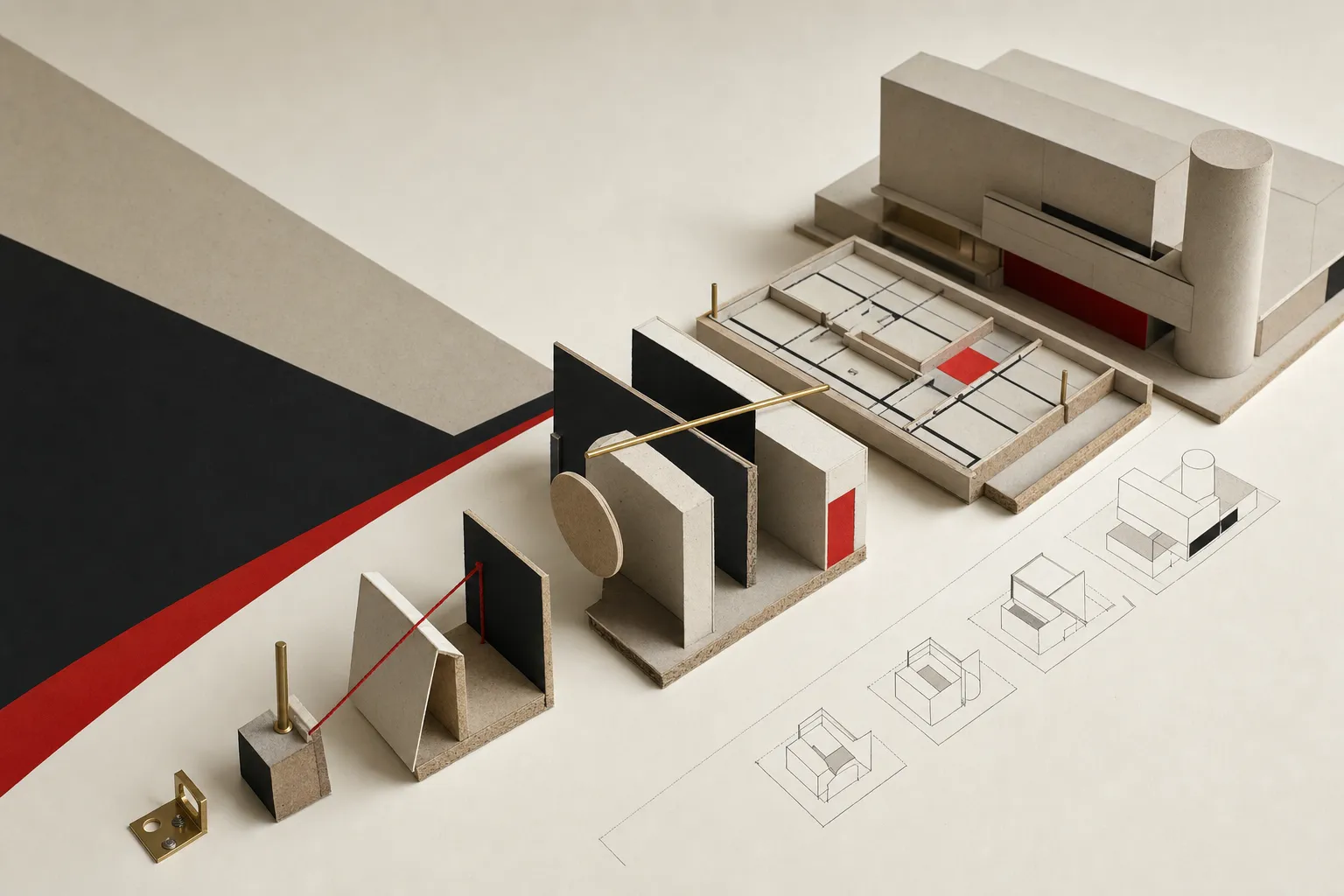
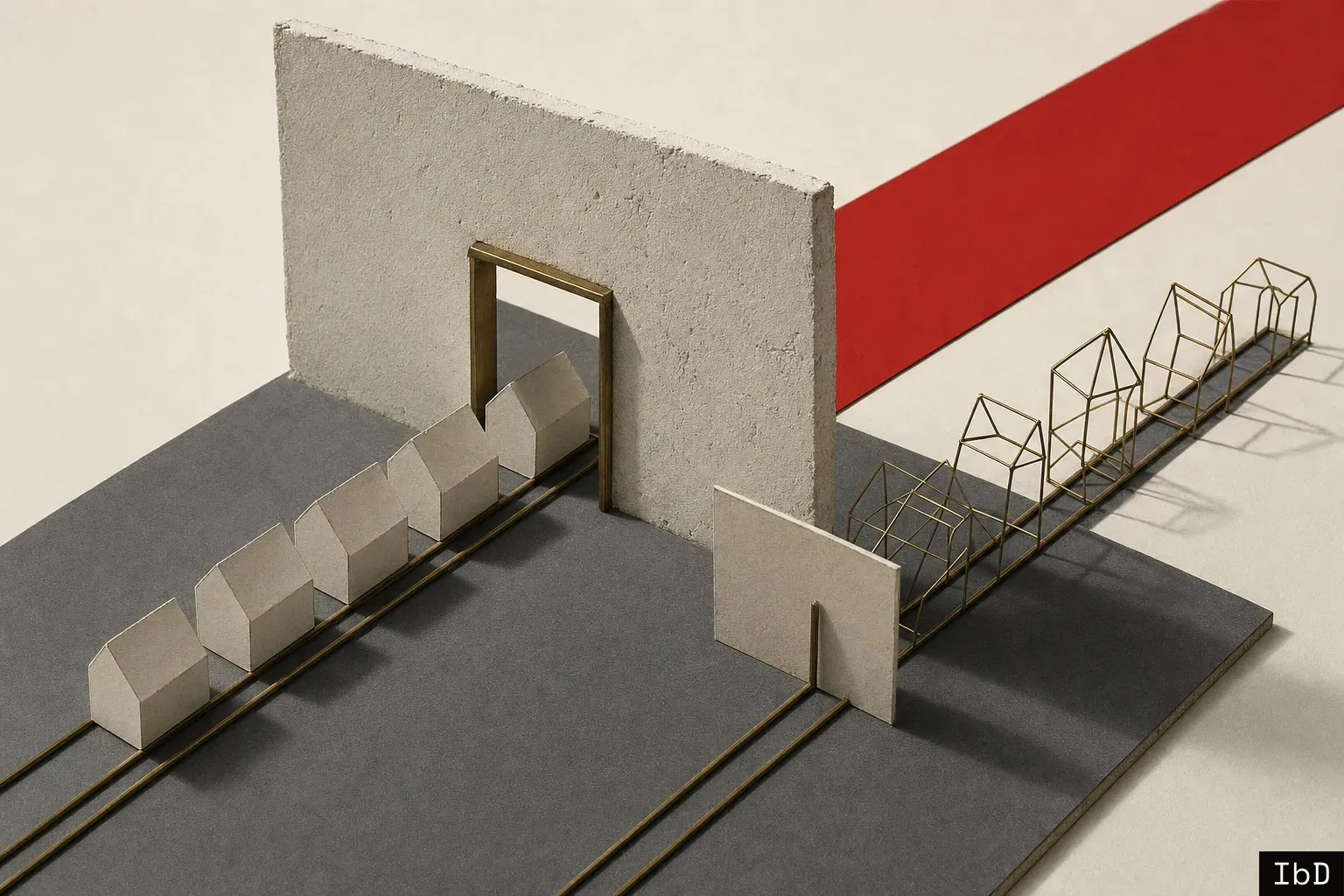

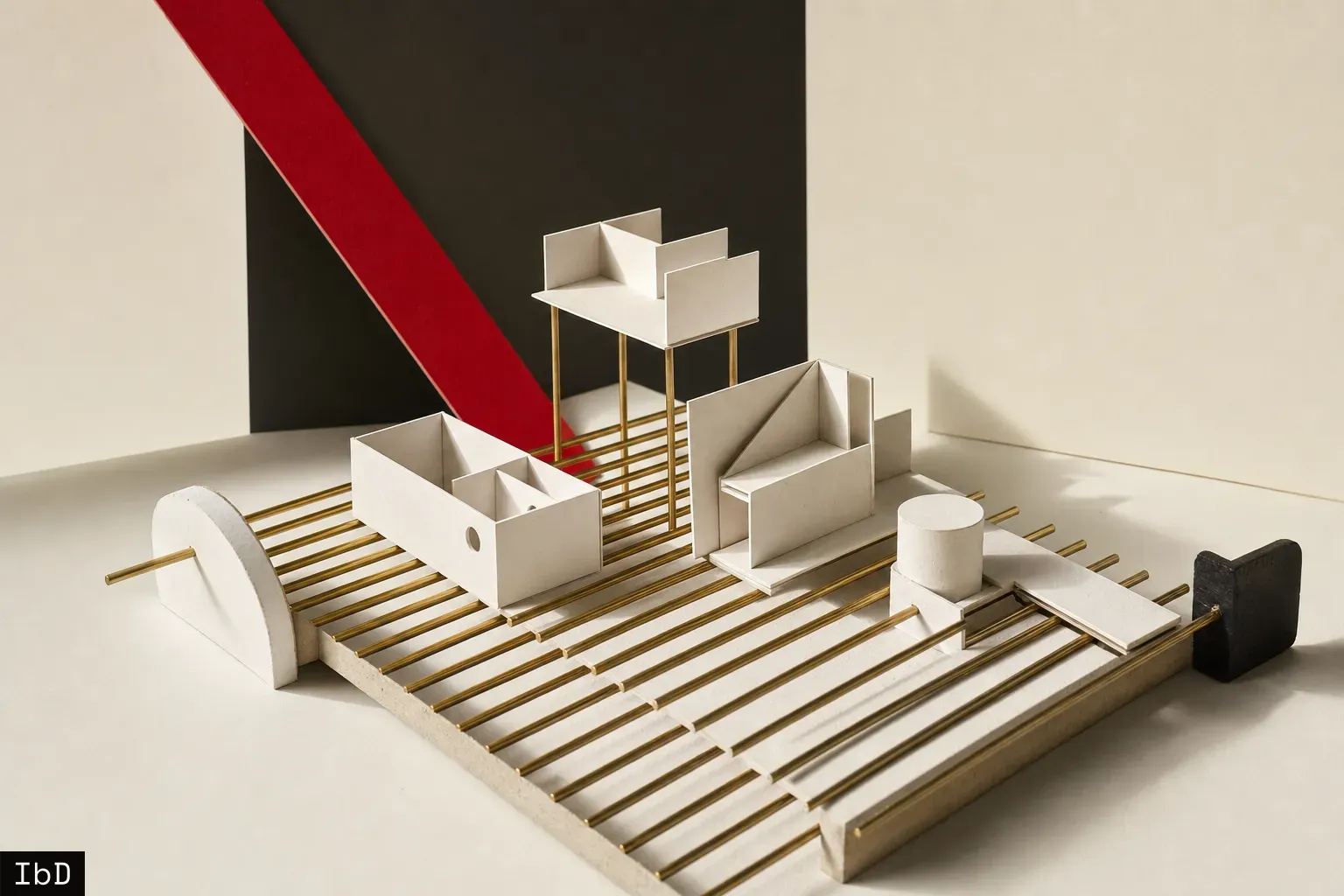
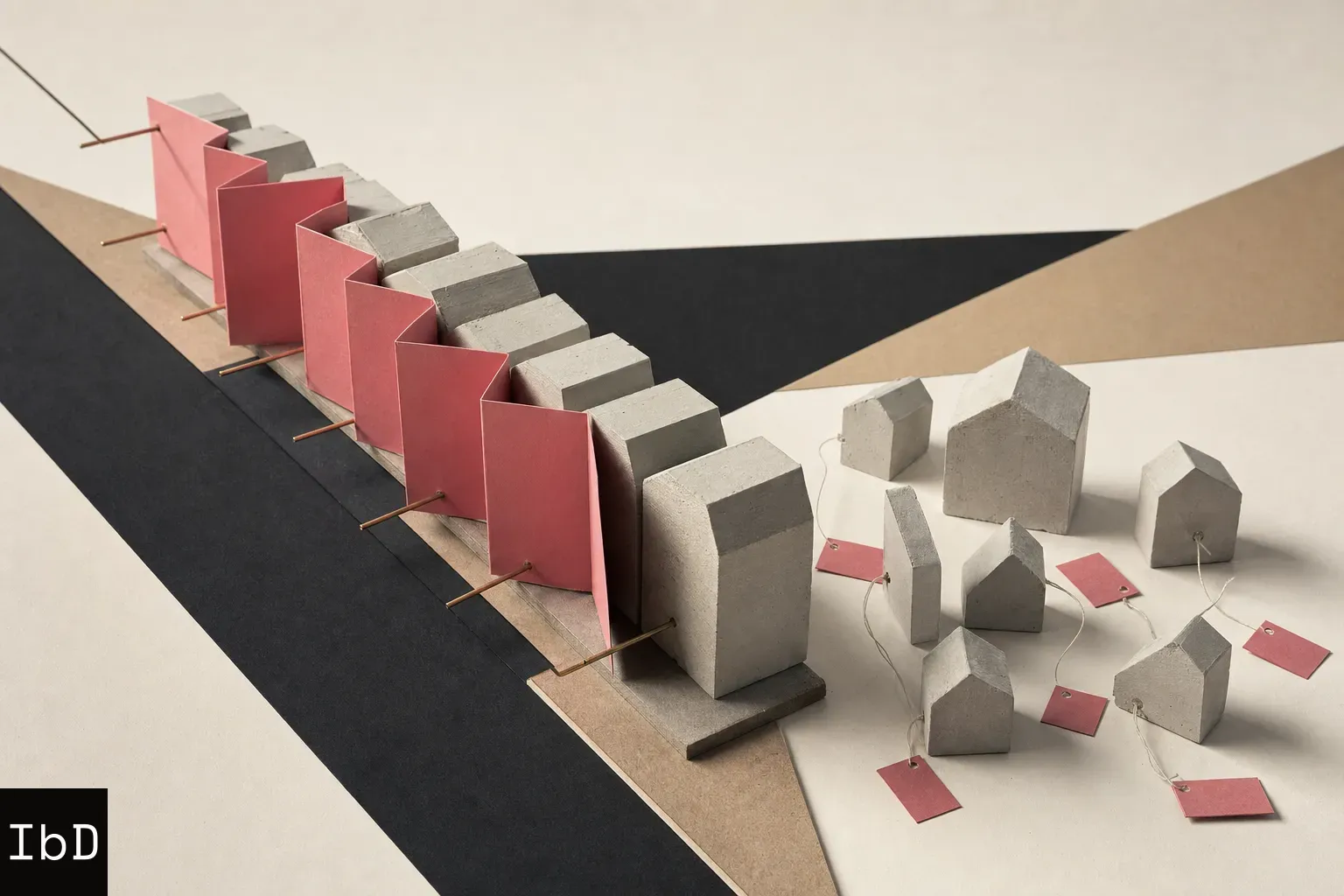

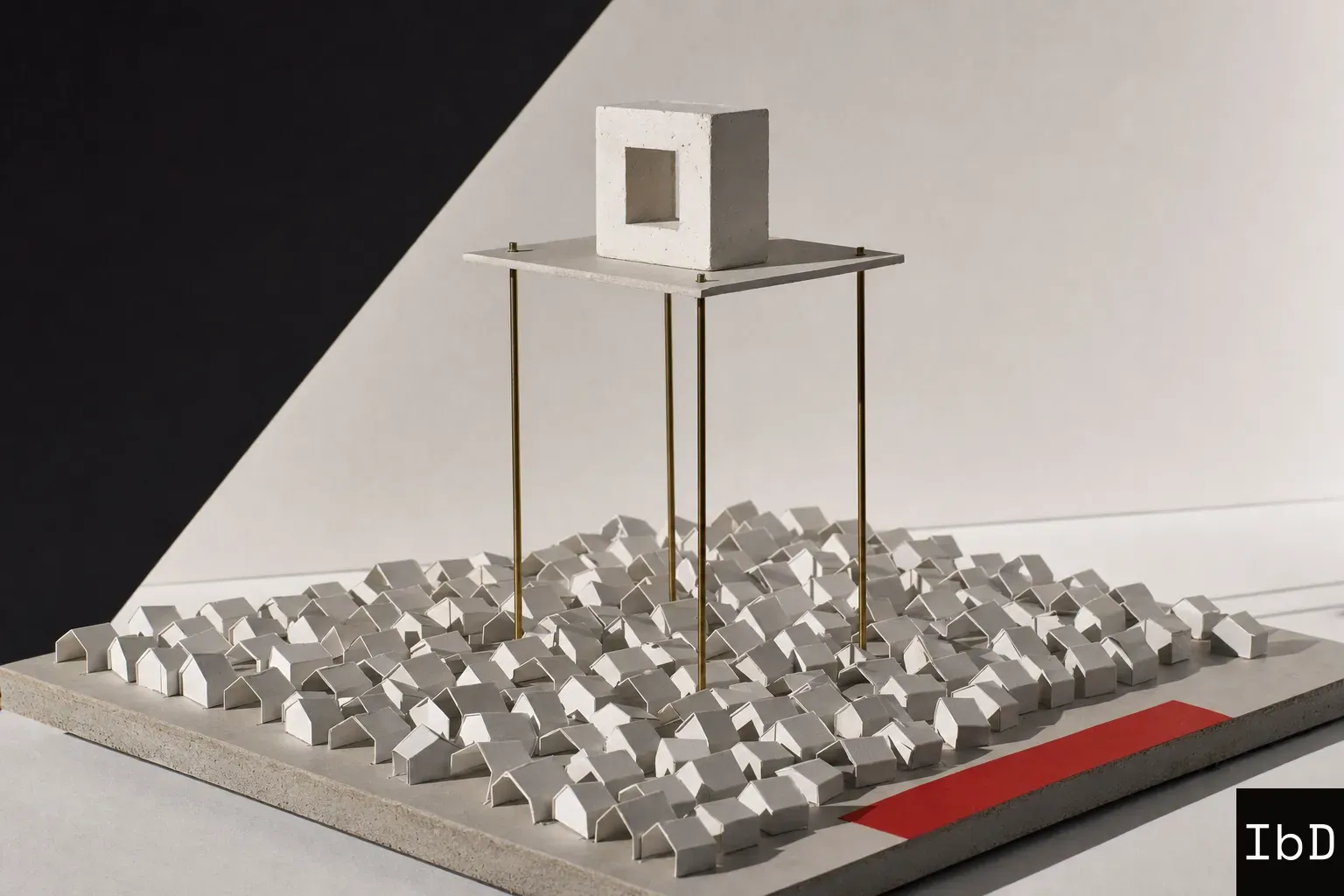
How credit, setbacks, concrete supply, and split governance produce the look of the ordinary Indian street.
Read the articleResearch in brief · 1:33
How credit, setbacks, concrete supply, and split governance produce the look of the ordinary Indian street.
Read the articleSteel rods stand out from the top slab of house after house across Indian cities, rusting in the rain, waiting for a floor that arrives when the money does. They are not an aesthetic failure or a lapse of care. They are a financing schedule made visible.
India's mortgage-to-GDP ratio sits at just twelve percent, compared to seventy-six in the US. Without formal credit or paper income records, families build out of savings in tranches over a decade. Casting columns for the next floor while the shuttering crew is on site is pure financial logic.
Then planning bye-laws step in. Mandatory front, side, and rear setbacks force every building into an isolated box floating in the middle of its plot. The continuous street frontages of historical cities like Jaipur cannot legally be sanctioned today.
Meanwhile, concrete went from eighteen percent of rural permanent roofs to over forty percent in one generation. Industrial cement and local masons created a single supply chain reaching every district. The visual monotony of the street is the shadow cast by that distribution network.
Above the street, the electrical cables belong to the power company, the telecom lines belong to private operators, the footpath belongs to the municipality, and the facade belongs to the owner. No single party owns the streetscape, so everyone optimizes their own layer.
The decisive acts of design on an Indian street happen before an architect ever draws a line: in a loan product, a setback table, a dealer credit line, and the split budgets of municipal agencies. The rods on the roofline are a savings plan standing up.