
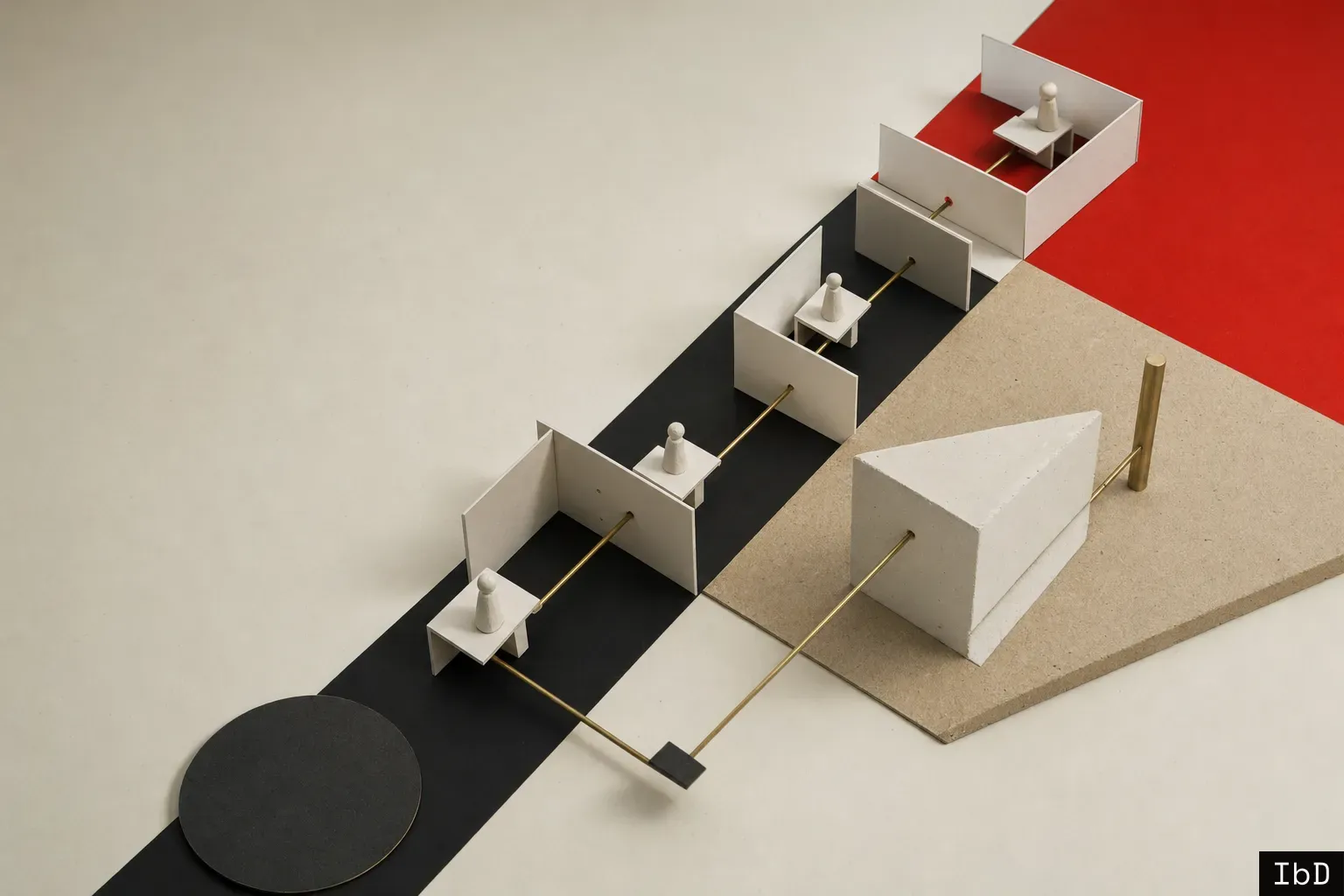
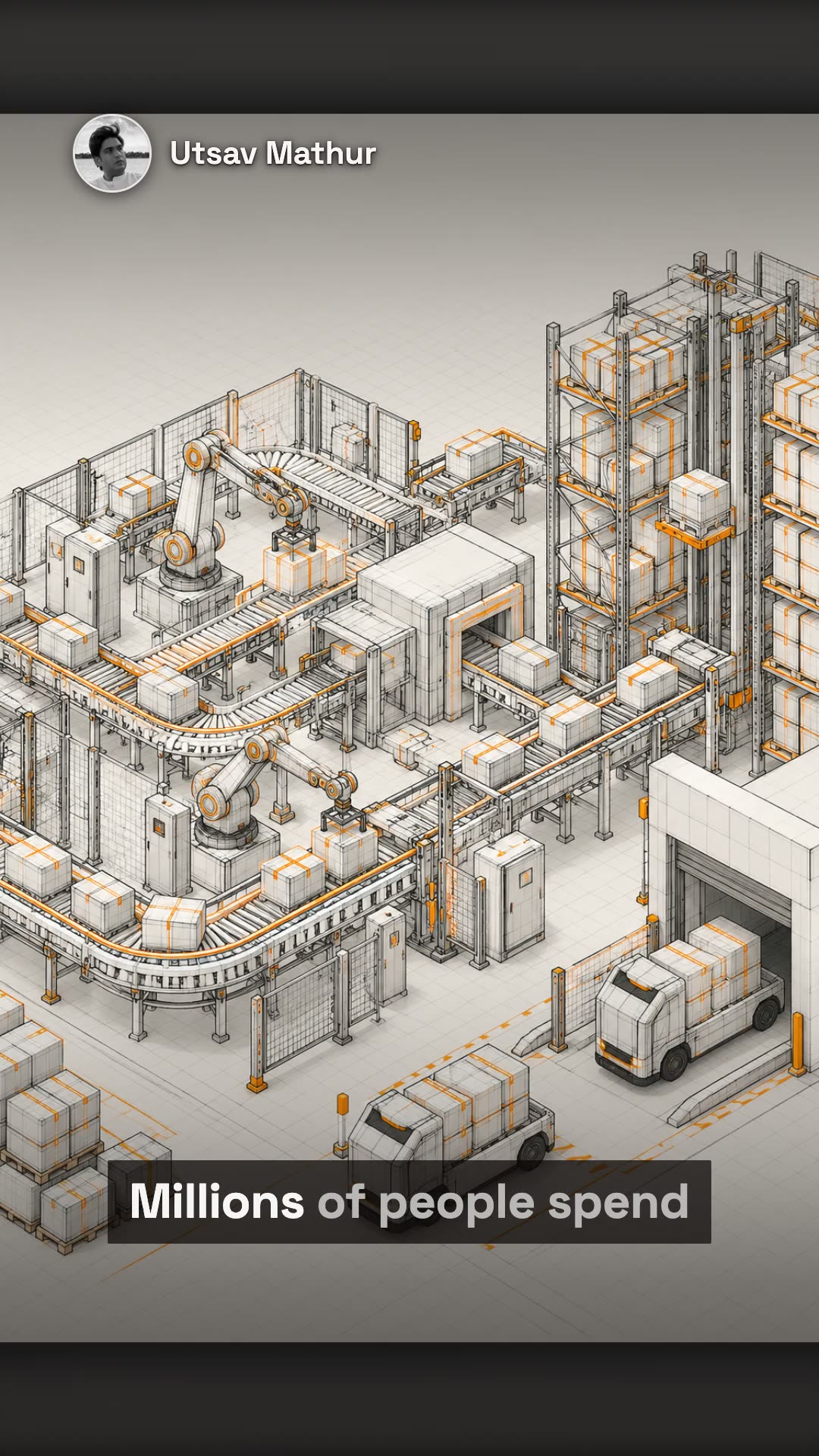
Millions of people spend their evenings designing factory logistics, power-washing virtual driveways and hauling cargo across a simulated Europe, and they pay for the privilege. The work in those games is real work: planning, routing, maintenance, repetition, the occasional hour lost to a bottleneck.
What separates it from the work your team does all day is how it feels. And for the first time, that difference is cheap to close.
The work was never the problem
Look at what people do for fun. Factory games are supply chain design. Simulators turn cleaning and driving into hobbies. Strategy games are resource allocation under uncertainty, played for hundreds of hours. These are the same tasks companies struggle to get people excited about.
The games make three things true that business software rarely does. Every action answers back immediately. Progress is visible on screen, not in a report at the end of the quarter. And the work happens somewhere: a world with places, objects and characters that change as you act on them.
Business software removes all three. You submit a form and the result vanishes into a database. Your progress lives in a dashboard someone else reads. The work happens nowhere at all, in a grid of rows that looks the same on Monday as it does on Friday.
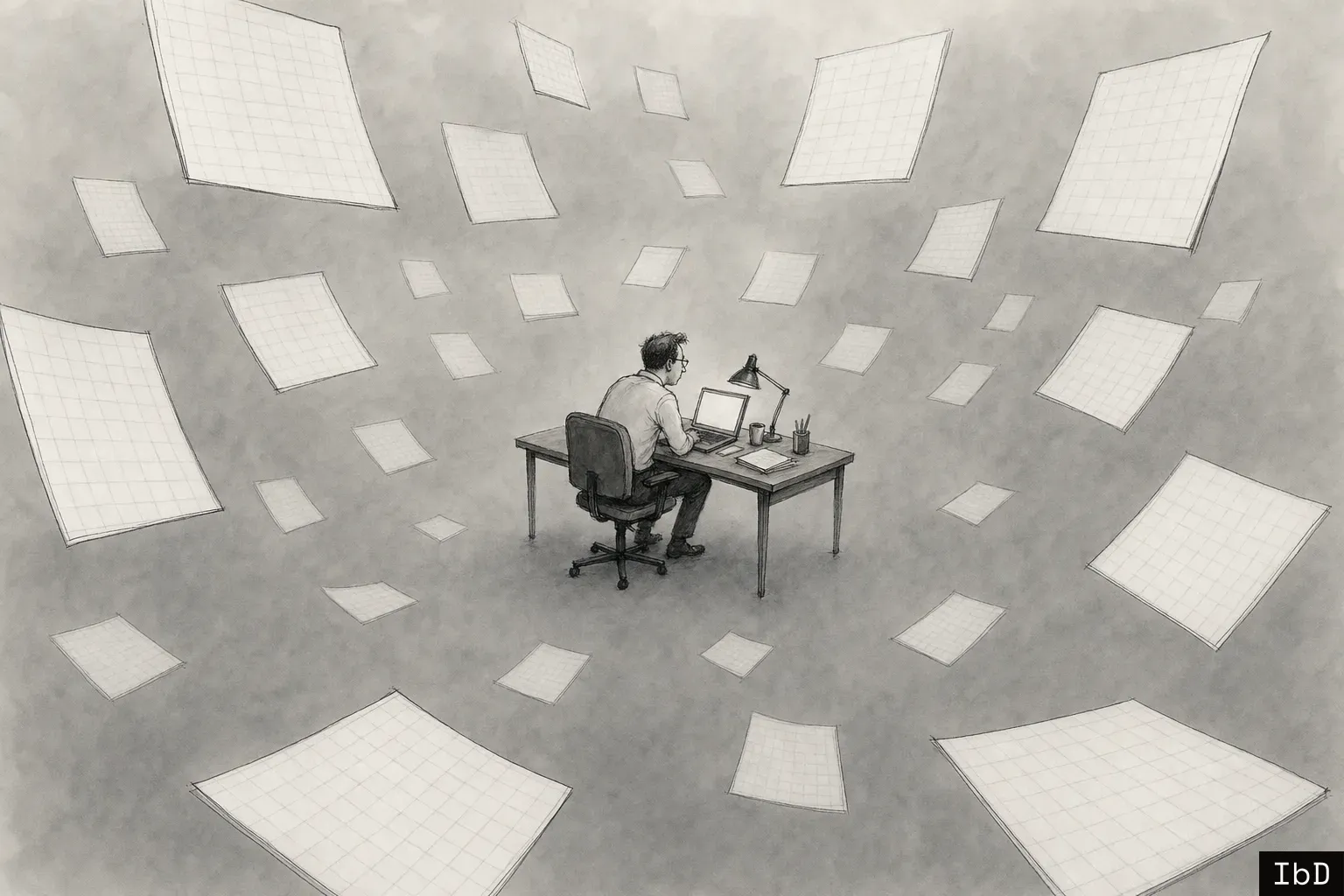
Software was grey because fun was expensive
Two costs kept work software dull.
The first was the grind. Somebody had to reconcile the entries, format the deck, chase the approvals and copy the numbers across. Software was built to make that person faster, so it optimised for density and keystrokes. Every animation, every moment of play, slowed down the person at the keyboard.
The second was the world itself. A game that feels alive takes a studio years of art, animation and systems design. No internal tools budget has ever covered that, so enterprise software borrowed the cheapest visual language available: tables, forms and charts.
AI removes both costs at once
It takes the grind. Reconciling, formatting, chasing and copying are exactly the tasks agents now do well. What is left for people is deciding, designing, negotiating and judging, which are the parts games are built from. Remove the tedium and the remaining work is already closer to play.
It builds the world. Art, characters, layouts and interactions that once needed a studio can be designed, discarded and rebuilt by a small team working with models, in days. An interface can be crafted for one team's workflow instead of averaged across every customer.
It fills the world with inhabitants. A game needs characters to work alongside. AI agents are those characters. They take on tasks, hand work back, ask questions and make mistakes, and each of those moments can be something that happens in the world rather than a line in a log.
The fun lives in the feedback
A leaderboard bolted onto a CRM changes nothing about how the work feels. The score sits on top of the same dull screen. Game feel comes from deeper mechanics, and they translate directly to work.
Actions have consequences you can see. Move a fixture in a store layout and watch shoppers reroute around it. Approve a request and see the work start moving again.
The whole system is legible at a glance. In a good game you know what is working and what is stuck without opening anything. A bottleneck looks like a bottleneck.
Mastery grows with use. The first week is simple. Six months in, the same tool rewards judgement and craft that a newcomer does not have yet.
The work has a place. A pipeline you can travel across, a codebase laid out as a city, a monthly close that resolves like a puzzle. A place gives work memory, rhythm and a reason to come back.
What this looks like across a company
Every function has a version of this waiting to be built.
A sales team works a territory instead of a list, with accounts as locations that warm up, go quiet or open new routes as deals move. Engineers see a codebase as districts that light up as changes land and dim where nobody has touched code in a year. Retail planners rearrange a store they can walk through and watch simulated shoppers respond before a single shelf moves. New hires explore the company as a world with people to meet and places to discover, instead of reading a wiki.
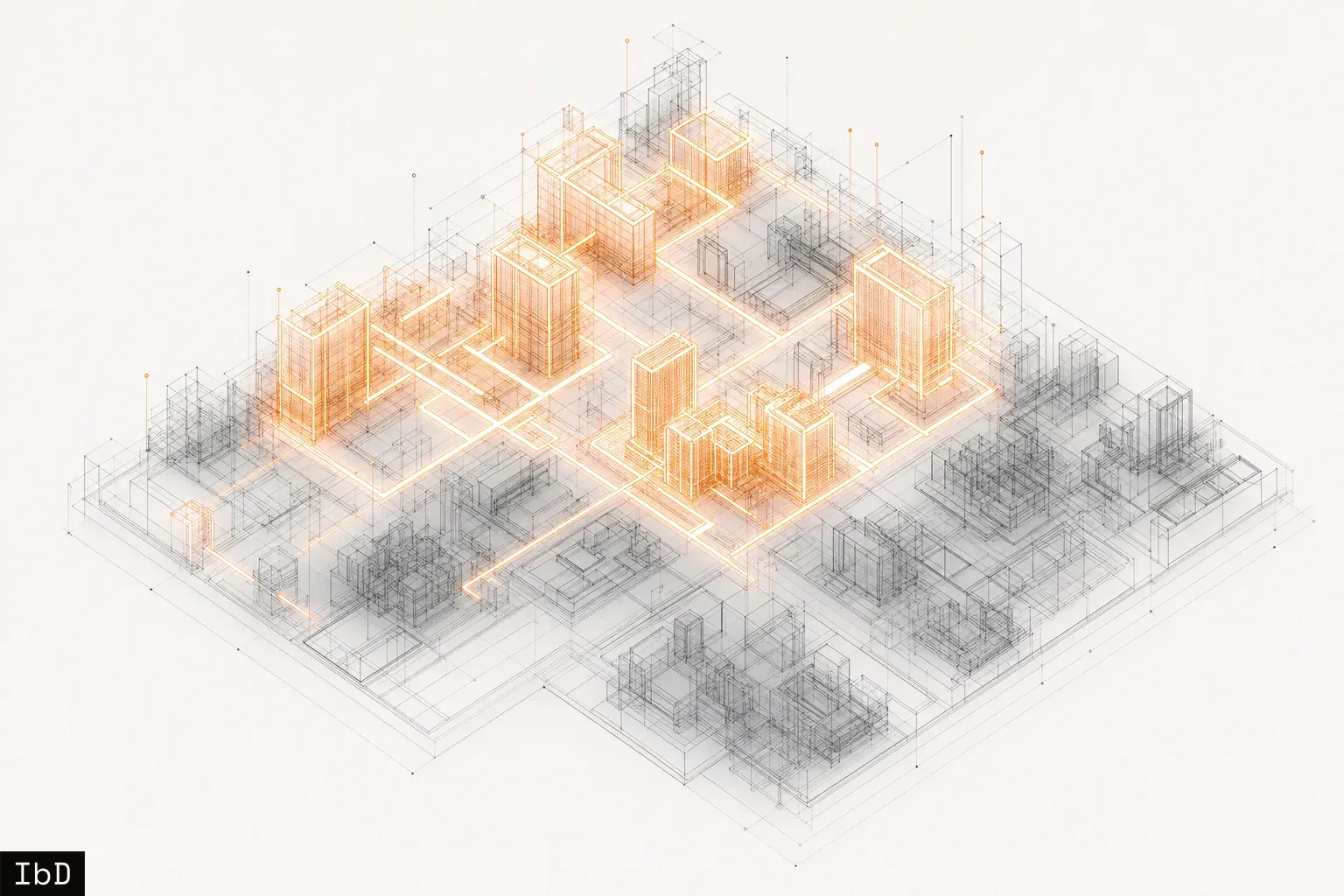
In every case the pattern is the same. Agents handle the grind underneath. People make the playable decisions on top. The interface turns those decisions into something that answers back.
An office full of agents
office-office, a project in progress at Intelligent by Design, is one early example. It gives a team's AI agents a place to work: a live isometric office where agents are people at desks and tools are rooms.
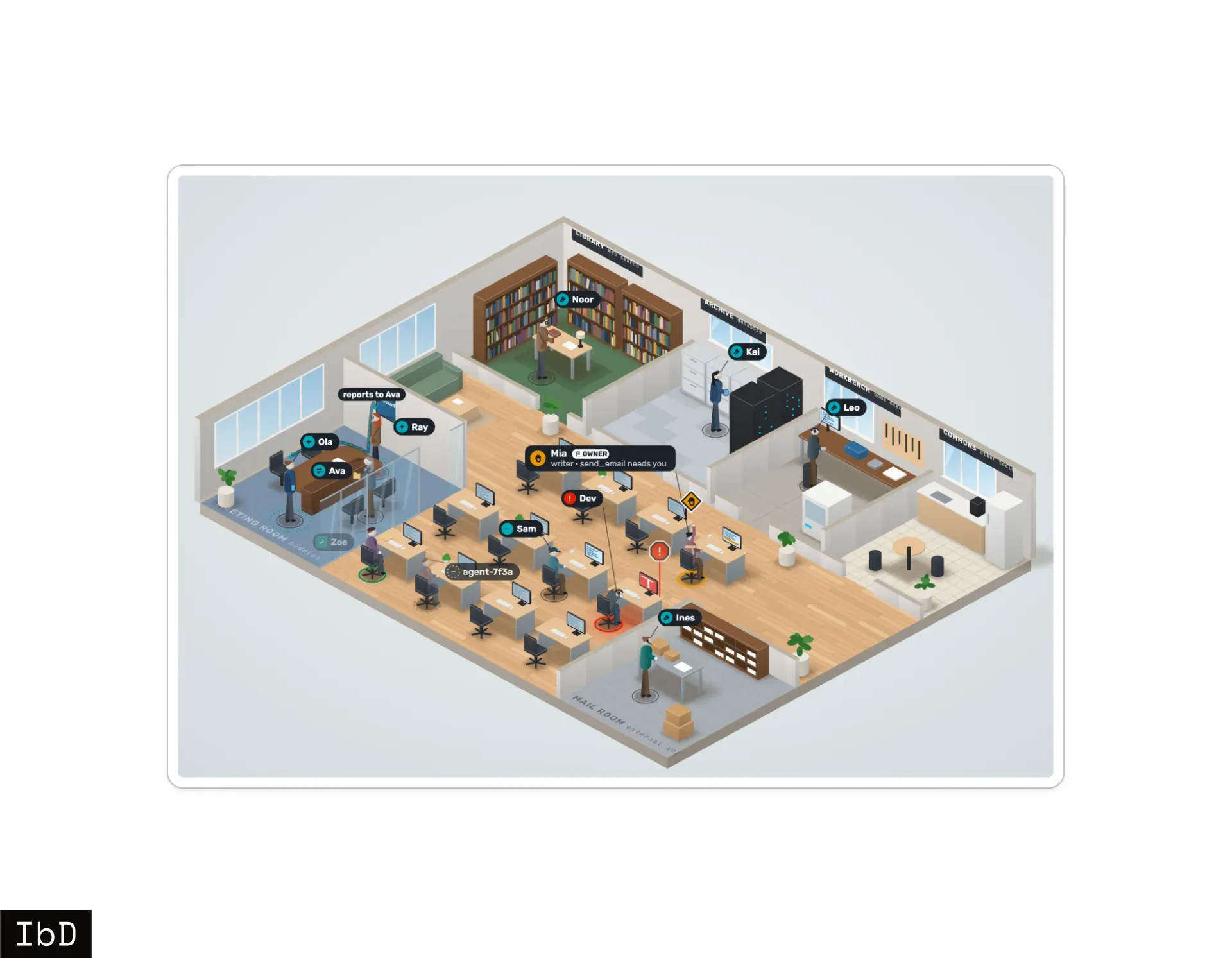
Everything an agent does becomes something that happens in the room. Starting a task means taking a desk. Calling a tool means walking into that tool's room and working there. Handing off means dropping a folder on a colleague's desk. When an agent needs a person's approval, it raises its hand. When it fails, it slumps at the desk under an alarm.
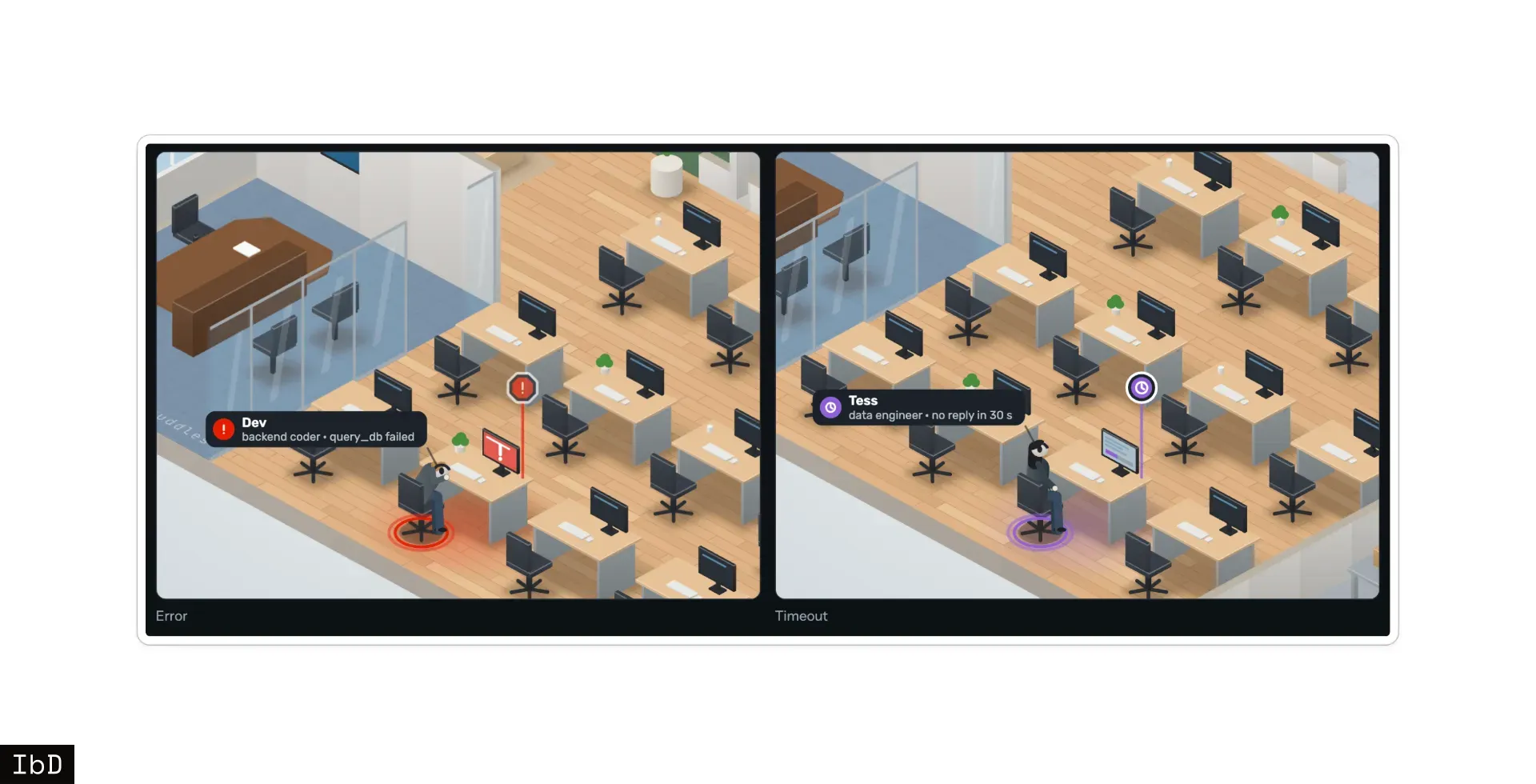
The craft is in the small decisions. Each agent gets an outfit from its role and a face from its ID, so it always looks like itself and nobody has to configure anything. Briefing several agents at once becomes a huddle in the meeting room. The light shifts from daylight to evening with your own clock.
Running a team of agents stops feeling like reading a trace and starts feeling like running a studio. The office is one shape this can take. A map, a city, a workshop or a garden would serve other kinds of work just as well.
Four tests for the tools your team will use
Your teams are about to choose, or be handed, the software they will work alongside agents in. Four tests separate a tool that is fun to use from one that only looks playful.
The grind is gone first. Play layered on top of tedium is decoration. Agents take the repetitive work before anything else is designed.
Every action answers back. Something visible happens the moment a person acts, not at the end of the week.
The work has a place. There is a world to return to, with things that persist and change, not a fresh grid every morning.
Skill is rewarded. The tool gets deeper as the person gets better, the way a good game does.
People already run factories for fun after work. The work was never the difference. The interface was.